

Vodka Proof vs. ABV: What Every Number Means
In the United States, alcohol proof is simply twice the ABV. That’s the whole formula. Knowing this one relationship helps you read any label at a glance, pace your drinks smarter, and build cocktails that actually taste the way you planned.
- 80 proof = 40% ABV (the most common vodka you’ll find on shelves)
- 100 proof = 50% ABV (noticeably stronger; changes cocktail math significantly)
- ABV is the number that matters for standard-drink calculations and safety tracking
Key Takeaways
| Point | Details |
|---|---|
| The core conversion rule | Proof = ABV × 2; divide any proof number by 2 to get the ABV instantly. |
| Standard drink connection | A pour of 80 proof (40% ABV) vodka equals one standard U.S. drink. |
| Cocktail and infusion impact | Swapping 80 proof for 100 proof raises final drink ABV; higher proof also extracts infusion flavors faster. |
| U.S. legal minimum | Federal law requires vodka to be at least 40% ABV (80 proof) to be sold as vodka. |
| Label reading tip | ABV is mandatory on every U.S. bottle; proof is optional — always use ABV as your reference number. |
Table of Contents
- What ABV actually tells you about your vodka
- What “proof” means and where the word came from
- How to convert between proof and ABV in seconds
- Why the difference between proof and ABV matters for you
- Common vodka strengths and what U.S. law requires
- How distillation and bottling set the final ABV
- A note from the 19th hole
- Sources
What ABV actually tells you about your vodka
ABV, short for alcohol by volume, measures the percentage of pure ethanol in a liquid. ABV is the internationally recognized standard, and in the United States it’s the figure federal law requires on every spirit label. Proof, by contrast, is optional.
That percentage connects directly to how much alcohol you’re actually consuming. The NIAAA’s drink-size calculator uses ABV to determine standard-drink equivalents, which is why knowing your vodka’s ABV matters beyond just reading the label.
Here’s how common beverages stack up:
One practical note: U.S. labeling rules allow a small variance from the stated ABV. For bottled spirits over 100 ml with no solids, the permitted tolerance is ±0.15%, so the number on the label is highly accurate but not an absolute guarantee.
What “proof” means and where the word came from
The term has a surprisingly old origin. Back in 16th-century England, merchants would test a spirit’s strength by soaking gunpowder in it and trying to ignite it. If it burned, the spirit was “proved” strong enough. That crude test eventually gave way to arithmetic, but the word stuck around.
Today in the United States, the definition is clean and simple:
- Proof = ABV × 2. No exceptions, no complicated scale.
- ABV is mandatory on U.S. labels; proof is optional but common on domestic bottles.
- Many imported bottles show only ABV, which can throw off shoppers used to seeing proof numbers.
The old UK proof scale worked differently from the American one, and several other countries used their own systems historically. Most of the world has now moved to ABV-only labeling, making proof largely a U.S. cultural convention at this point.
How to convert between proof and ABV in seconds
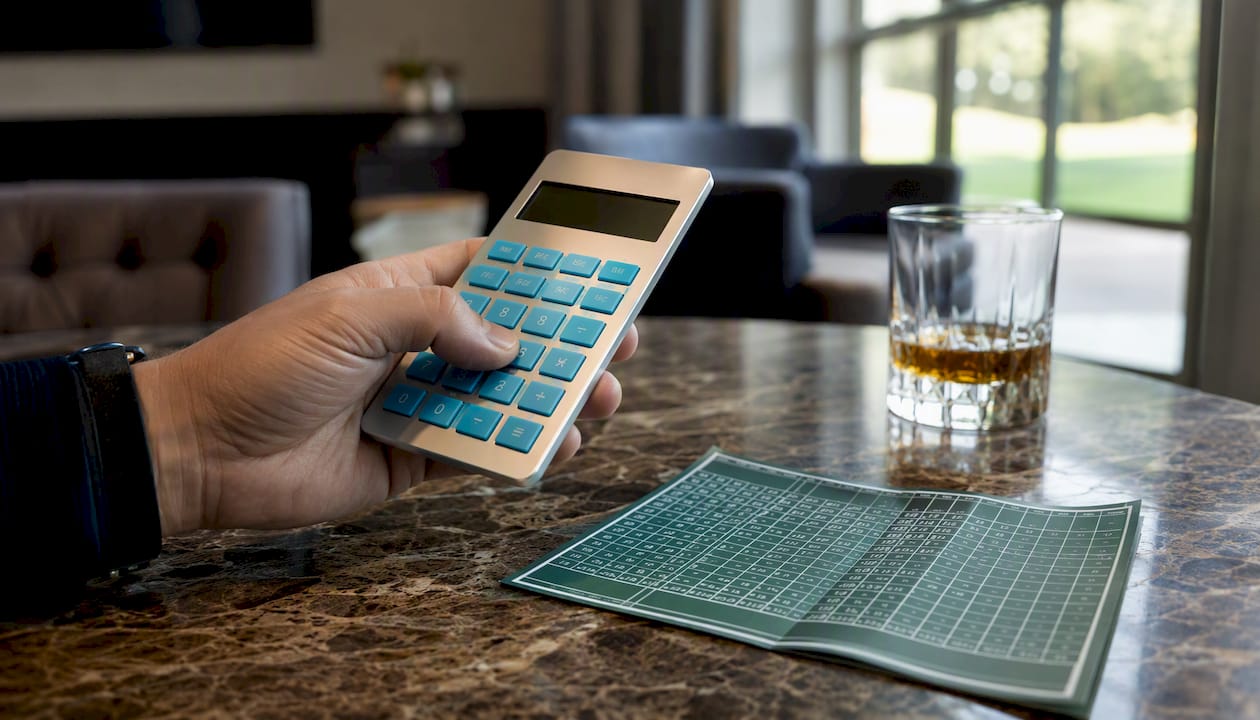
The math takes about two seconds once you know it.
To find ABV from proof: divide by 2. To find proof from ABV: multiply by 2.
Worked examples:
- 80 proof ÷ 2 = 40% ABV
- 100 proof ÷ 2 = 50% ABV
- 70 proof ÷ 2 = 35% ABV
- 120 proof ÷ 2 = 60% ABV
Want to know how much pure alcohol is in a standard 750 ml bottle of 80 proof vodka? Multiply 750 ml by 0.40 (the ABV as a decimal) and you get 300 ml of pure ethanol. That’s a useful number for batch cocktail planning or just understanding what you’re working with.
Pro Tip: When a recipe calls for 80 proof vodka and you only have 100 proof on hand, your finished drink will be noticeably stronger. Check out Broken Tee Vodka’s cocktail recipes for recipes already calibrated to a specific proof.
Why the difference between proof and ABV matters for you
Reading a label is one thing. Understanding what the number means for your body and your glass is another.
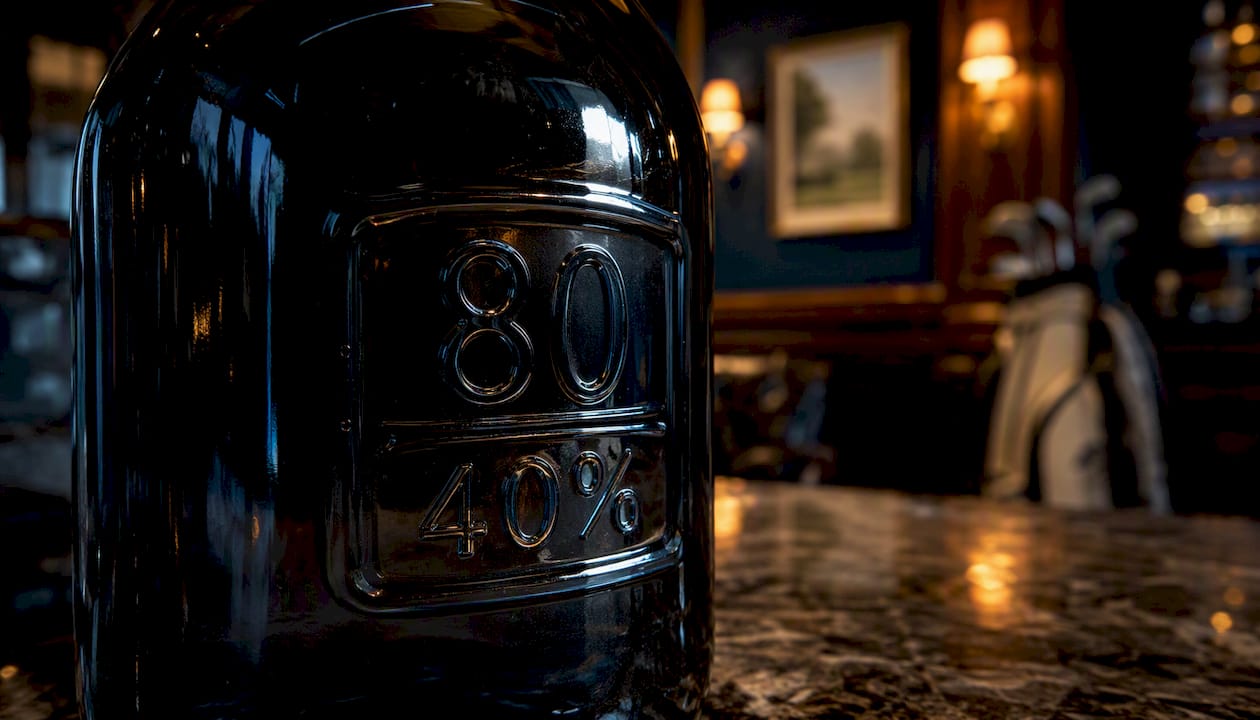
The standard drink in the United States contains a certain amount of pure alcohol. That gap adds up fast over a night out.
State liquor boards and public-health bodies use ABV to teach standard-drink calculations precisely because it’s the consistent, legally required figure. Proof is intuitive for Americans, but ABV is the number that connects to blood alcohol concentration and responsible consumption guidance.
For cocktails and infusions, the proof level has real practical consequences:
- Higher proof = more extraction. When you’re infusing fruit, herbs, or spices, a 100 proof vodka pulls flavor compounds faster and more completely than an 80 proof base.
- Higher proof = more heat. Sipping a 100 proof spirit straight delivers noticeably more burn than 80 proof, which affects how you build a drink.
- Recipe calibration matters. Many classic cocktail recipes were built around 80 proof spirits, so swapping in a higher proof changes the balance of the drink, not just the strength.
Pro Tip: For infusions, a higher-proof base speeds up the process. For sipping or shaking into a balanced cocktail, 80 proof usually gives you more control. Craft mixologists often choose proof intentionally for exactly this reason. See how spirit strength shapes modern cocktail design for more on this.
Common vodka strengths and what U.S. law requires
Not all vodkas are created equal in terms of strength, and U.S. law sets a clear floor.
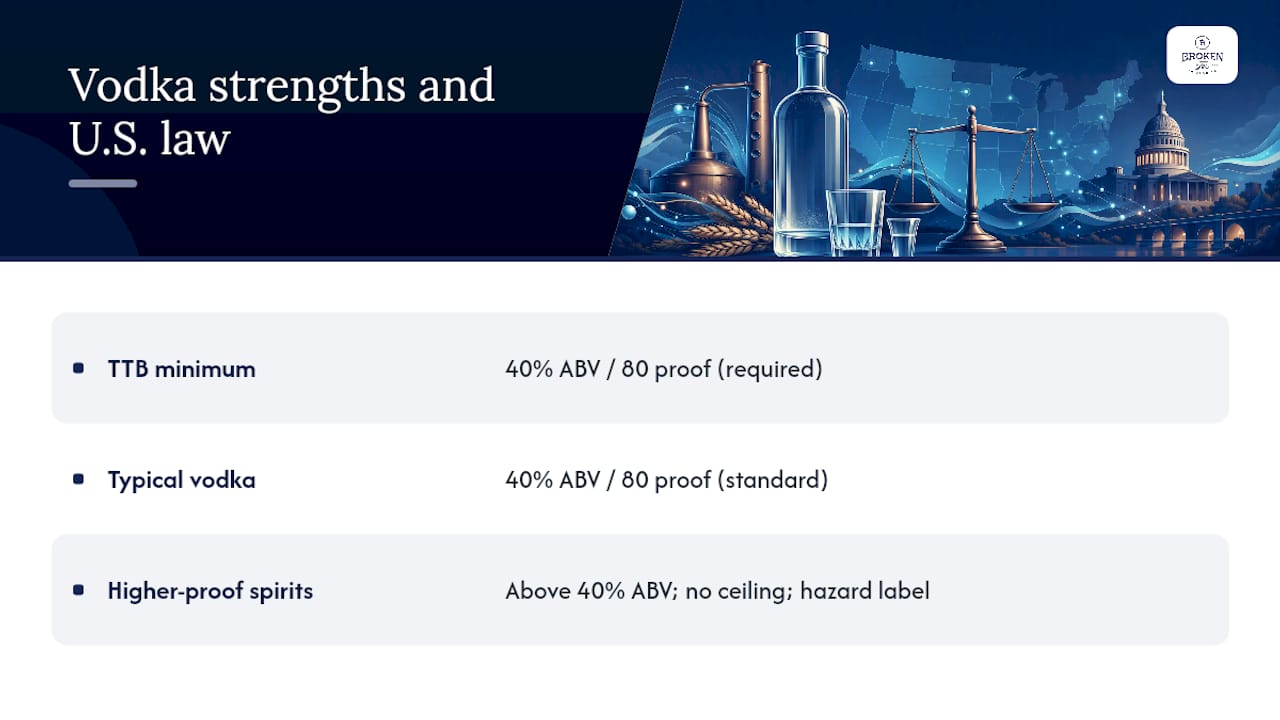
The Alcohol and Tobacco Tax and Trade Bureau (TTB) requires a minimum of 40% ABV (80 proof) for any spirit sold as vodka in the United States. There’s no federal ceiling, but very high-proof spirits may carry additional hazard labeling.
Standard commercial vodka lands at 40% ABV / 80 proof, and that’s the strength most bar recipes assume. The higher the ABV, the more carefully you need to account for it in any recipe or serving.
How distillation and bottling set the final ABV
A vodka’s ABV isn’t random. It’s the result of deliberate decisions made during production.
- Distillation raises strength. Each pass through a still concentrates the ethanol, pushing ABV higher. A spirit can come off the still well above 90% ABV.
- Dilution sets the bottling strength. Distillers add purified water to bring the spirit down to the target ABV before bottling. This step is where the final proof is locked in.
- The choice of 80 vs. 100 proof is intentional. At 80 proof, a vodka tends to carry more mouthfeel and integrates more smoothly into cocktails. At 100 proof, you get more intensity, more extraction power, and a stronger presence in the glass.
Broken Tee Vodka’s sevenfold distillation process is a good example of how multiple distillation passes affect the final spirit. Each round refines the liquid, removing impurities and building toward a cleaner, smoother result before the water-back step sets the bottled ABV. You can read more about how distillation and filtration interact to shape the final product.
A note from the 19th hole
At Broken Tee Vodka, clear labeling and consistent ABV aren’t just regulatory boxes to check. They’re part of making sure every pour, whether it’s on the course or at the clubhouse, delivers exactly what you expect. If you want to dig into the full production story, the Broken Tee Vodka process page walks through every step from distillation to bottle.
Ready to put this knowledge to work? Shop Broken Tee Vodka and grab a bottle built for golfers who care about what’s in their glass.
Sources
- Understanding Alcohol Content | Washington State Liquor and Cannabis Board
- Is Alcohol Proof The Same As ABV? | Britannica
- Alcohol proof - Wikipedia
- Vodka Proof and ABV: Understanding Alcohol Content | Vodka Authority


