

2:1 Mixer Rule: When to Use Ginger Beer or Ginger Ale in Cocktails
Ginger ale is a mild, clear, sweet soda, while ginger beer is a bolder, often cloudier drink with a spicier kick. Both started with real ginger and fermentation, but today most bottles on the shelf are just flavored, carbonated water. If you want a drink that fights back against spirits, reach for ginger beer. If you want something gentle and easy to sip, grab ginger ale.
TL;DR:
- Traditional ginger beer involves fermentation with a live culture, producing a spicier, cloudier drink with complex flavors, while most commercial versions are flavored, carbonated sodas.
- Ginger beer’s authentic, brewed style typically contains more ginger flavor and heat, especially when fermented longer, compared to the milder, sweeter ginger ale.
- The label terms “brewed” or “fermented” signal a closer connection to traditional production, but many mass-market bottles rely on extracts and shortcuts for heat and flavor.
- Ginger beer is preferred for bold cocktails like Moscow Mule or Dark ‘n’ Stormy, whereas ginger ale suits lighter, nonalcoholic drinks or remedies.
- The amount of actual ginger in most sodas is far below clinical doses used for nausea, making them ineffective for health benefits beyond hydration and flavor.
Table of Contents
- Quick definitions and modern commercial forms
- Taste, aroma, and mouthfeel: side-by-side sensory comparison
- How they’re made: fermentation, brewing, and modern commercial production
- Uses and cocktail pairing: when to reach for ginger beer or ginger ale
- Health claims and remedies: science-backed perspective
- How to choose between ginger beer and ginger ale for your purpose
- Practitioner perspective: why fermentation changes flavor
- Author perspective: picking a lane for your next drink
- Why a smooth vodka matters in a ginger-forward cocktail
- FAQ
- Sources
Quick definitions and modern commercial forms
Ginger beer got its start in 18th-century England as a fermented, mildly alcoholic beverage brewed with ginger, sugar, and a yeast culture. Ginger ale came later, developing in Ireland and gaining popularity across Canada and the United States as a milder, carbonated alternative. The names have stuck around even though the drinks behind them have changed a lot.
- Traditional versions were fermented, using a live culture to build flavor and a little fizz naturally.
- Modern commercial versions are usually carbonated soft drinks flavored with ginger extract, with no fermentation involved.
- Label language matters: words like “brewed” or “naturally fermented” signal a product closer to the original style, according to McGill’s Office for Science and Society.
That labeling note is worth remembering, because it’s often the only clue you get at the store about which style you’re actually buying.
Taste, aroma, and mouthfeel: side-by-side sensory comparison
The flavor gap between these two drinks is the whole reason this comparison exists. Ginger beer brings a sharper, spicier punch and a heavier mouthfeel, sometimes with real cloudiness from ginger solids or fermentation byproducts. Ginger ale is lighter, sweeter, and almost always crystal clear.
- Heat and intensity: ginger beer reads as spicy and robust, while ginger ale stays mellow and sweet, according to VinePair.
- Appearance: ginger beer can look cloudy or slightly golden, while ginger ale pours pale and clear.
- Sweetness: ginger ale leans sugary and simple, while ginger beer’s ginger bite tends to balance or cut through the sugar.
- Manufacturing shortcuts: many mass-market bottles lean on ginger extract or even capsicum to mimic heat since fresh ginger’s bite fades fast.
Gingerol, the compound that gives fresh ginger its bite, breaks down with heat and time. That’s why McGill’s food science explainer points out that many commercial producers add concentrated ginger fractions or capsicum-based extracts to keep that spicy kick in a shelf-stable bottle.
How they’re made: fermentation, brewing, and modern commercial production
The sensory differences above trace straight back to how each drink is produced. Traditional ginger beer starts with a ginger bug, a live culture of wild yeast and lactic acid bacteria that ferments ginger, sugar, and water over several days. That process builds carbonation naturally and creates a far more complex flavor than simple carbonation ever could.
- Ginger bug fermentation develops volatile aromatic compounds and phenolics that give brewed ginger beer its depth, according to a study on back-slopped ginger beer fermentation.
- Modern mass production usually skips fermentation entirely, relying on ginger flavoring, sugar, and forced carbonation instead.
- Alcohol content today is typically negligible in commercial ginger beer, though historic fermented versions sometimes reached notably higher levels, according to heritage research from FOHBC.
- Fermentation length changes everything: longer activation and fermentation time increases phenolic compounds, volatiles, and even ethanol content, all of which push the flavor toward something spicier and more complex, per the same fermentation study.
If you see “brewed” or “naturally fermented” on a label, that’s your best signal you’re getting something closer to the traditional process rather than a flavored soda.
Uses and cocktail pairing: when to reach for ginger beer or ginger ale
Picking the right one for your drink comes down to how much flavor you want fighting back against the spirit. Ginger beer is built for bold mixed drinks. Ginger ale is built for easy sipping.
- Moscow Mule and Dark ‘n’ Stormy: both call for ginger beer specifically, since its spicy intensity holds up against vodka or dark rum, according to America’s Test Kitchen. Try our own take on a vodka mule cocktail for a straightforward version.
- Lighter highballs: ginger ale works better here, plus it’s a solid choice as a nonalcoholic refreshment or a mild home remedy for an upset stomach.
- Substituting one for the other: swapping ginger ale into a Mule will mute the ginger kick and add sweetness, while swapping ginger beer into a highball will make it noticeably spicier and less sweet.
- Mixing ratio: a 2:1 ratio of mixer to spirit works well for most ginger cocktails, adjusted to taste.
- Check the label for “brewed” or “fermented” if you specifically want that traditional, more complex character in your glass.
Health claims and remedies: science-backed perspective
Ginger has a long folk history as a stomach settler, but a bottled soda rarely delivers enough of it to matter. Clinical reviews looking at ginger for nausea generally test doses around 1,500 milligrams per day, using standardized extracts, not sugary soft drinks, according to a systematic review of clinical trials.
- Dose gap: most commercial ginger ales and ginger beers contain far less actual ginger than what’s been studied for nausea relief.
- Sugar tradeoff: the sugar content in a typical soda can work against any mild digestive benefit from the ginger itself.
- Pregnancy and sensitive stomachs: if you’re looking for relief from nausea, a standardized ginger supplement or strong ginger tea is a more reliable bet than soda.
Clinical trial evidence supports ginger extract around 1,500 mg/day for nausea relief in some settings, according to the same review, a dose far higher than what you’ll find in a can of soda.
How to choose between ginger beer and ginger ale for your purpose
Match the drink to the job, and this gets simple fast.
- For cocktails that need backbone, like a Moscow Mule, go with ginger beer.
- For a gentle sipper or mild remedy, ginger ale is the easier choice.
- For cooking, ginger beer’s stronger flavor holds up better in glazes and marinades.
- Label red flags: skip bottles where ginger isn’t even listed as an ingredient, or where “natural flavors” is doing all the work with no actual ginger behind it.
Pro Tip: Grab a small craft bottle labeled “brewed” alongside a mass-market can of the same style and taste them side by side. The difference will tell you everything you need to know about what you actually prefer.
Practitioner perspective: why fermentation changes flavor
A ginger bug needs real activation time, often several days, before it’s lively enough to ferment a batch. Longer fermentation builds more phenolics and volatile compounds, which is why craft ginger beer tastes rounder and spicier than a soda. Since fresh gingerol breaks down quickly, mass producers often lean on extracts or capsicum instead of chasing that same slow-built complexity.

Author perspective: picking a lane for your next drink
Our honest take: ginger beer earns its place in anything spirit-forward, while ginger ale shines when you want something light and easy. That’s the whole decision, really, once you know what you’re drinking for.
— Chip Mulligan
Why a smooth vodka matters in a ginger-forward cocktail
A Moscow Mule lives and dies by its ginger beer, but the vodka still has a job to do: it needs to be clean enough to let that spicy, zesty flavor shine instead of fighting it. We built Broken Tee Vodka through a sevenfold distillation and carbon filtration process specifically for that kind of smoothness, so it blends into a bold ginger beer without any harsh edges getting in the way.
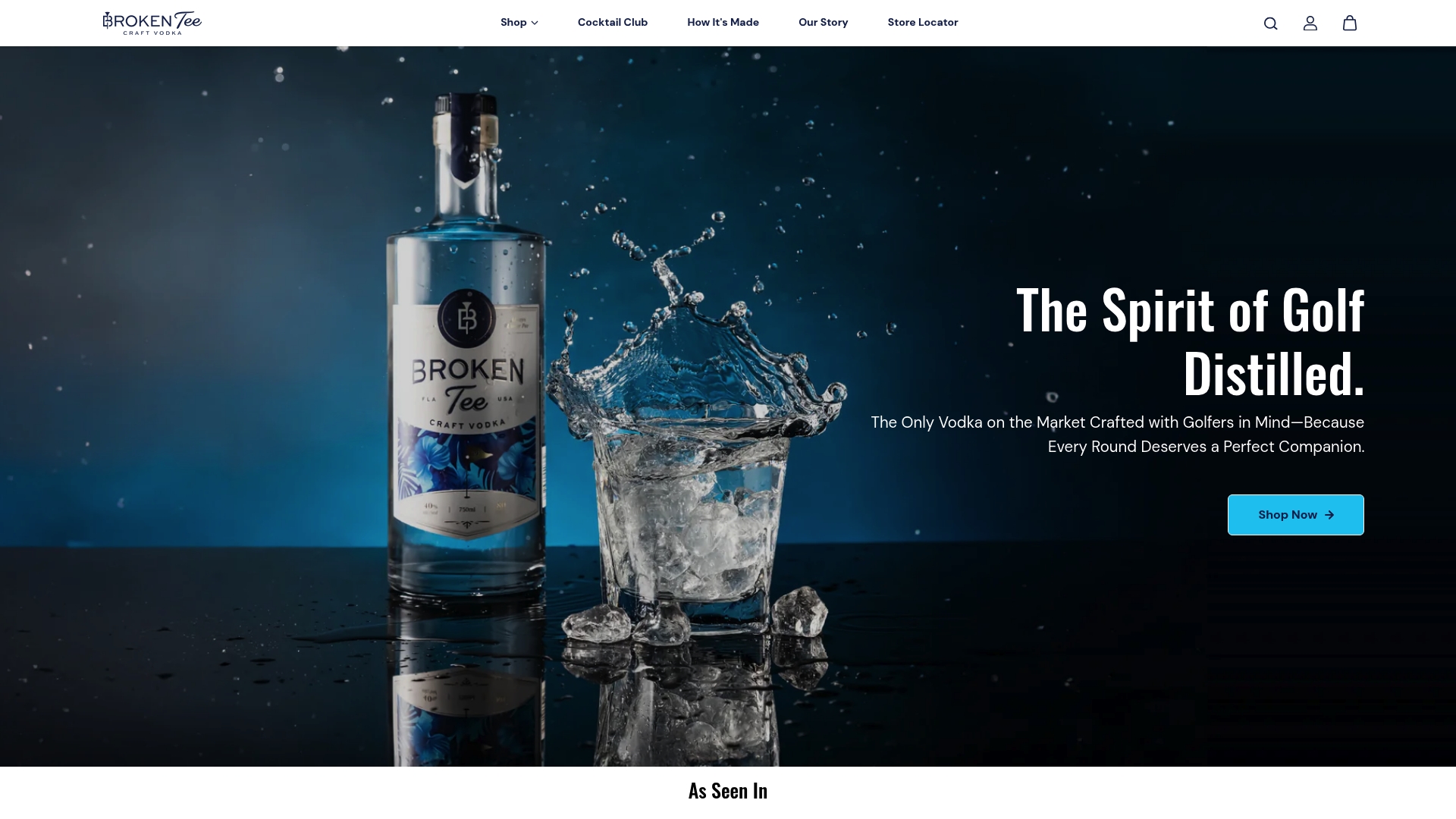
- Our Broken Tee Vodka bottle comes with a branded golf ball marker tucked right in, a nice touch for your next round or your next round of drinks.
- Browse Broken Tee Merch if you want to gear up for the course while you’re at it.
- Check out our membership options for perks tied to future orders.
Ready to build your next Mule the right way? Grab a bottle of Broken Tee Vodka and let the ginger beer do the talking.
FAQ
What is better for you, ginger ale or ginger beer?
Neither is a health drink, since both typically carry a good amount of sugar and only a fraction of the ginger used in clinical studies. Ginger beer sometimes carries slightly more real ginger flavor, but check the label for actual ginger content rather than assuming either one is the “healthy” choice.
Which is better for an upset stomach, ginger beer or ginger ale?
Ginger ale is the gentler, more traditional choice for settling a stomach, mostly because it’s milder and easier to sip when you’re not feeling great. That said, clinical research on ginger for nausea generally uses standardized extracts at doses far higher than what’s in either soda, so neither should replace a proper remedy if symptoms are serious.
Is a Moscow Mule made with ginger beer or ginger ale?
A proper Moscow Mule uses ginger beer, not ginger ale, because its spicier, more robust flavor stands up to vodka, according to America’s Test Kitchen. Swapping in ginger ale will make the drink sweeter and much milder, which changes the cocktail’s whole character.
Is ginger beer just ginger ale?
No, they’re not the same drink, even though modern versions of both are often just flavored carbonated water. Ginger beer is typically spicier, sometimes cloudier, and historically rooted in fermentation, while ginger ale is clearer, sweeter, and was developed later as a milder alternative, according to McGill’s Office for Science and Society.
Sources
- Ginger ale vs. ginger beer
- What is the difference between ginger ale and ginger beer? | Office for Science and Society - McGill University
- Ginger beer different from ale soda | VinePair
- Ginger in gastrointestinal disorders: A systematic review of clinical trials - Nikkhah Bodagh - 2019
- Ginger beer derived from back-slopping: Volatile compounds, microbial communities on activation and fermentation, metabolites and sensory characteristics


