

Only 3 Martini Glass Types Your Home Bar Actually Needs
Most home bars really only need three martini glass types: the classic V-shaped martini glass, the coupe, and the Nick & Nora. If you want one glass that handles almost everything, grab a coupe. Add a set of Nick & Noras if you pour a lot of stirred, spirit-forward drinks, and keep V-glasses around if that iconic silhouette matters to you.
TL;DR:
- The coupe is a versatile choice that supports both foamy and stirred drinks, making it ideal for a range of cocktail styles.
- Nick & Nora glasses are best for stirred, spirit-forward drinks because their smaller size helps keep the temperature lower longer.
- V-shaped martini glasses are visually iconic but can warm drinks quickly and increase spill risk, especially if oversized.
- Mixologists recommend matching glass shape to whether drinks are shaken with foam or stirred and spirit-forward, cold cocktails.
- Opt for sturdy, shorter stems and a set of four to six glasses to ensure durability and enough for regular entertaining.
Table of Contents
- Types Explained: V-Shaped Martini, Coupe, and Nick & Nora
- Which Glass Fits Which Cocktail?
- How to Choose Martini-Style Glassware for Your Home Bar
- Materials and Care: Crystal vs. Glass, Dishwasher Safety, and Garnish Tips
- Why Bartenders Favor the Coupe and Nick & Nora Today
- A Pairing Note for Your New Glassware
- FAQ
- Sources
Types Explained: V-Shaped Martini, Coupe, and Nick & Nora
Each of these glasses solves a different problem, and knowing the shape tells you a lot about how a drink will behave in it. Mixologists group martini-style stemware into these three families, each with its own shape, capacity, and trade-offs.

The V-shaped martini glass is the one everyone pictures: a wide, flat cone on a long stem. It runs roughly 6 to 12 ounces, though modern sets often size up well past what a classic martini recipe calls for. The wide surface area shows off a crystal-clear spirit beautifully and releases aroma as you lift the glass to your nose. The tradeoff is real: that same wide-open bowl is a spill waiting to happen, and an oversized version lets your drink warm up fast before you finish it.
The coupe has a shallow, rounded bowl, more saucer than cone, sitting on a shorter stem. It holds about 5 to 8 ounces and its curved sides cradle foam and fizz far better than a V-glass ever could, while its lower center of gravity means fewer spilled drinks on your way to the couch.
The Nick & Nora looks like a small, elegant tulip: a rounded bowl that tapers in slightly at the rim. It typically holds just 4 to 5 ounces, which keeps stirred drinks colder for longer and makes it nearly impossible to slosh your Manhattan on the rug.
Beyond the core three, you’ll run into a few variants worth knowing:
- Stemless martini glasses trade elegance for stability, a good call if you’re pouring drinks near kids or pets.
- Oversized novelty V-glasses look fun for a party photo but warm drinks quickly and spill easily.
- Hybrid coupe/Nick & Nora shapes split the difference, offering a slightly deeper bowl with the coupe’s stability.
Which Glass Fits Which Cocktail?
Picking the right glass comes down to one question: is your drink shaken and foamy, or stirred and spirit-forward? Bartenders generally choose glassware based on the cocktail style they pour most, and that’s the easiest rule to borrow for your own bar.
- Shaken, foamy, or sparkling drinks (espresso martinis, daiquiris, sours) belong in a coupe. The wide, curved bowl supports a foam cap and holds it together instead of letting it slide down a steep V-wall, which matters a lot if you make espresso martinis on a regular basis.
- Stirred, spirit-forward cocktails (classic martinis, Manhattans, Boulevardiers) do best in a Nick & Nora, since the smaller bowl keeps the drink colder from first sip to last.
- Clear, spirit-forward martinis built for presentation can still go in a V-glass, but stick to a right-sized model around 6 to 7 ounces rather than the oversized versions that turn a crisp martini into a lukewarm one before you’re halfway through.
None of this is gospel. There’s no firm consensus that glass shape changes flavor, so personal preference, garnish size, and how big a pour you like all get a vote too. If you always serve generous pours, size up slightly; if you tend to garnish heavily with olives or a twist, leave a little extra headroom in the bowl.
How to Choose Martini-Style Glassware for Your Home Bar
Start by figuring out what you actually drink most, then match the glass to that habit instead of buying for looks alone. A set in the 4 to 7 ounce range keeps most cocktails cold without drowning the drink in empty glass.
If you’d rather own fewer pieces, the coupe is your best bet since it handles shaken, stirred, and sparkling drinks reasonably well. Beyond shape, pay attention to stem length and weight. A shorter, sturdier stem is easier to hold steady and less likely to snap if it gets knocked over, which matters more than it sounds once you’ve broken your second glass.
Before you check out, run through this list:
- Capacity: does it match the drinks you pour most often?
- Shape: coupe for foam and fizz, Nick & Nora for stirred drinks, V-glass for classic presentation.
- Stem strength: shorter and sturdier survives longer in a real home bar.
- Dishwasher instructions: confirm the manufacturer’s guidance before tossing a set in.
- Set size: buy at least four to six so breakage doesn’t leave you short on game night.
Pro Tip: Buy one extra glass per set. Somebody always breaks one before the next party.
Materials and Care: Crystal vs. Glass, Dishwasher Safety, and Garnish Tips
Material affects both how your glass looks on the shelf and how long it survives in your cabinet. Modern lead-free crystal gives you that thin, sparkling look without the lead concerns older crystal carried, and it’s become the standard for anyone who wants a glass that photographs well. Standard soda-lime glass costs less and holds up fine for everyday use, just without quite the same shine.
Dishwasher safety depends entirely on the specific glass; for detailed advice on tequila glassware, buying, and care, see this glassware guide. Manufacturer guidance on care suggests placing delicate stemware on the top rack even when it’s labeled dishwasher-safe, and avoiding sudden temperature swings that can cloud or crack crystal over time. When in doubt, hand wash.
- Hand wash delicate crystal, even when the box says dishwasher-safe.
- Avoid hot water right after a glass comes out of the freezer or fridge.
- Dry stemware upside down on a towel, never stacked while wet.
For garnish, skip the overstuffed olive pick. One quality pitted olive, Castelvetrano or Manzanilla, looks cleaner and won’t leak brine into your drink the way a packed skewer can.
Why Bartenders Favor the Coupe and Nick & Nora Today
The V-glass earned its status as a cultural icon long before anyone worried about spills or warm martinis. Working bartenders now lean toward coupes and Nick & Noras because they keep drinks colder and stay upright on a crowded bar top. For your own shelf, buy for how you actually serve drinks, not just for nostalgia. If you want recipes built around these shapes, our vodka martini basics guide is a good next stop.
— Chip Mulligan
A Pairing Note for Your New Glassware
Once you’ve picked your glass, the pour inside it matters just as much. We’d suggest reaching for Broken Tee Vodka for a classic vodka martini, poured in a chilled Nick & Nora or coupe for easy sipping after a round.
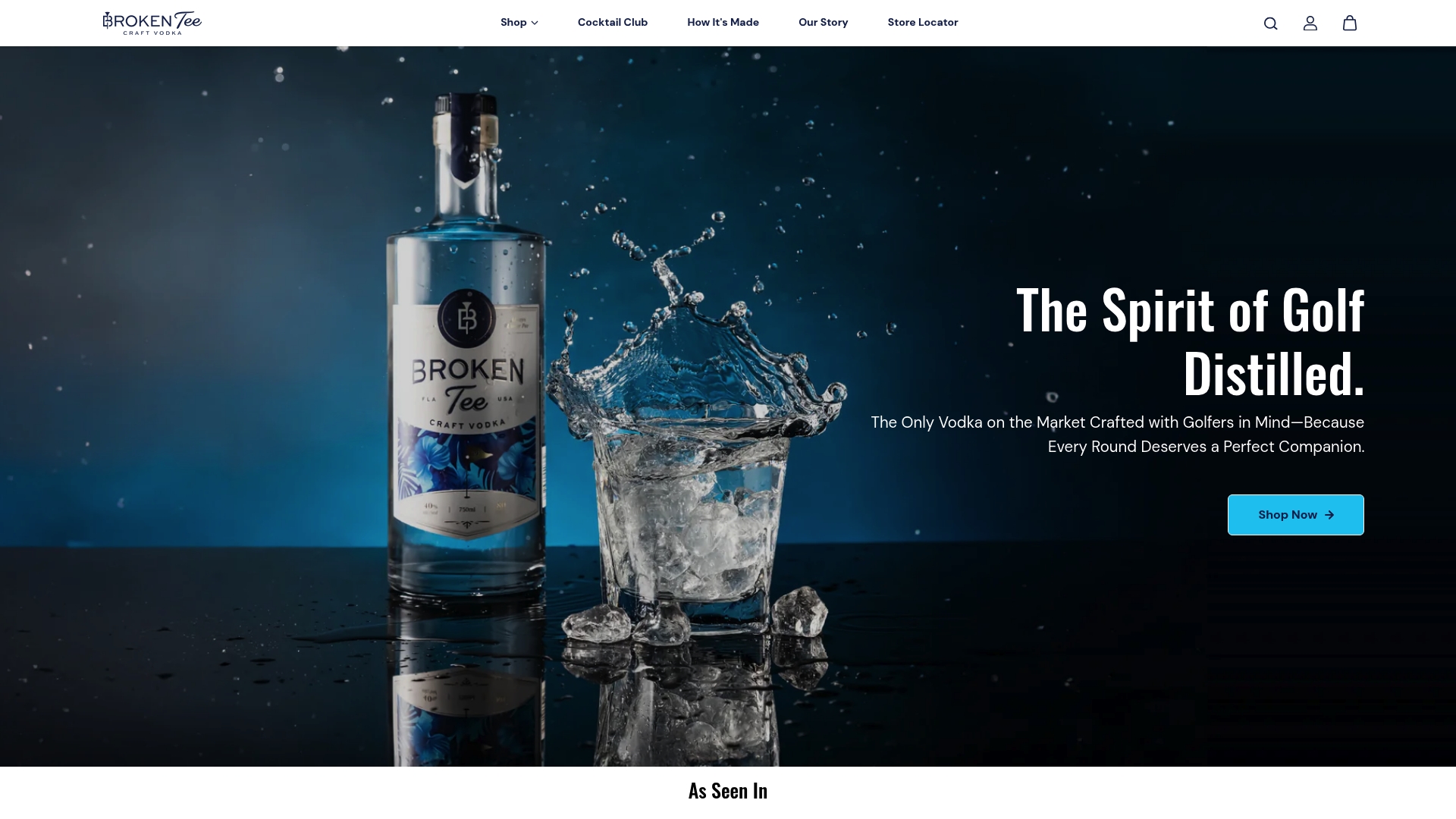
The vodka has a smooth, clean finish that works well with just a twist or a quality olive, and it’s just as at home in a lemon-drop martini if citrus is more your style. Grab a bottle on our vodka landing page and pour it into whatever new glass you just picked up.
FAQ
What are the different types of martini glasses?
The three main martini glass types are the V-shaped martini glass, the coupe, and the Nick & Nora, each with a different shape and capacity. The V-glass offers classic presentation, the coupe handles shaken and foamy drinks well, and the Nick & Nora keeps stirred cocktails colder.
What is the 3 martini rule?
This phrase usually refers to an informal social guideline about pacing yourself to no more than a few martinis in one sitting rather than a glassware or bartending standard. It isn’t tied to any specific glass type or official measurement.
Why never 2 olives in a martini?
This comes down to bartending tradition and superstition more than any rule about glassware or flavor. Many bartenders simply recommend one quality pitted olive rather than multiple, since it keeps the drink cleaner and avoids excess brine.
What type of glass is used for a martini?
A classic martini is traditionally served in a V-shaped martini glass, though many bartenders now reach for a Nick & Nora or coupe instead. Both alternatives keep the drink colder and reduce the spill risk that comes with the wide-open V shape.
Sources
- The V-Shaped, Coupe, And Nick And Nora Martini Glasses Explained — Tasting Table
- Liquor
- Coupe vs Martini vs Nick & Nora — Glassique Cadeau


