

13 Copy Ready Golf Bar Menu Ideas That Boost Revenue for Clubs
Your golf bar menu should run on three pillars: shareable bites and handhelds fast enough for a 90-minute play cycle, a few elevated lounge plates for the non-golfers who came just to eat and drink and a tight signature cocktail list built around a spirit that fits the theme, like Broken Tee Vodka. That mix keeps carts moving, tickets turning, and margins healthy for players and guests alike.
TL;DR:
- Offer a limited, well-curated signature cocktail list built around a golf-themed spirit like Broken Tee Vodka to maximize margins and guest recall.
- Focus your menu on fast, shareable bites and handhelds during peak times, and shift to lounge fare and desserts for evening social hours to boost non-golfer revenue.
- Keep your kitchen lean with about 20 to 25 key items, prioritizing contribution margins over food cost percentages and avoiding slow-cooking proteins or complex plated dishes.
- Implement quick-service solutions like QR code ordering to reduce wait times, and pre-batch ingredients to maintain speed during busy periods.
- Incorporate seasonal, local sourcing and allergy-friendly options, clearly marked on menus, to attract health-conscious guests and those with dietary restrictions.
Table of Contents
- Golf Bar Menu Ideas Start With the Right Framework
- Building a 19th Hole Drink Menu That Pulls Its Weight
- Menu Engineering: Pricing and Cost Control That Protect Margin
- Choosing a Kitchen Model That Matches Your Volume
- Sample Golf Club Menu Suggestions You Can Copy Tomorrow
- Presentation and Theming That Justify Higher Prices
- Dietary Restrictions and Allergy-Friendly Menu Planning
- Seasonal and Local Sourcing That Fits the Course
- Quick-Service Options That Keep Play Moving
- Upselling and Food-Beverage Pairing Strategies
- Lighter Fare for Health-Conscious Golfers
- What Actually Moves the Needle on a Golf Bar Menu
- Why Broken Tee Vodka Belongs on Your Signature List
- Sources
Golf Bar Menu Ideas Start With the Right Framework
A golf bar menu works when it’s organized by how people actually move through your venue, not by tradition. Think in sections, each with a job to do.
- Bay Snacks/Shareables (6–8 items): finger food built for split checks between holes or hitting bays, priced $9 to $16.
- Handhelds/Entrées (4–6 items): burgers, sandwiches, flatbreads that travel well and hold up on a cart, priced $12 to $18.
- Lounge Fare (3–4 items): slightly more composed plates for guests settling in post-round, priced $16 to $24.
- Kids (3 items): simple, cheap, fast, priced $6 to $9.
- Desserts (2–3 items): shareable-format sweets, priced $7 to $10.
- 19th Hole late-night menu (3–5 items): a scaled-back version of your best sellers for closing hours.
Push Bay Snacks hardest during peak tee times and league play. Shift emphasis to Lounge Fare and desserts during evening social hours, when non-golfers become a major share of your revenue. For tournaments or private events, trim the list further. A locked-down, pre-set menu moves faster than an à la carte free-for-all when you’re feeding 80 people between tee times.
Building a 19th Hole Drink Menu That Pulls Its Weight
Your beer program doesn’t need 20 taps to work. Six to ten lines covering two or three domestic staples, three or four rotating craft options, and one local favorite covers most preferences without overloading your walk-in. The Brewers Association’s national beer data shows craft styles keep gaining share against mass-market lagers, so leave room to rotate seasonally. Add four to six wines by the glass, split evenly between white and red, plus two or three NA or low-ABV options. Zero-proof cocktails aren’t a niche request anymore.
Your signature cocktail program is where the real margin lives. Build it like this:
- 6 to 8 house signatures with golf-themed names and consistent build recipes.
- 2 to 3 rotating guest favorites pulled from classic requests (an Old Fashioned, a Paloma, a Vodka Soda done right).
- Seasonal swaps every quarter to keep regulars curious.
One vodka-based signature deserves a permanent spot. A “Fairway Fizz” made with vodka, fresh lime, and a splash of soda gives you a clean, crisp pour that fits a golf theme without gimmicks, and it’s a natural fit for a spirit distilled with golf lovers in mind.
Pro Tip: Batch your house cocktails in bulk containers during prep, and use jiggers or auto-pour spouts for every liquor pour. Consistent portions protect your margin far more than any single ingredient choice.
Menu Engineering: Pricing and Cost Control That Protect Margin
Contribution margin, not just food cost percentage, tells you what’s actually paying your bills. A $14 pretzel board with a $3 cost contributes more real dollars than a $22 entrée with a $9 cost.
Three rules keep your kitchen fast and your P&L clean:
- Avoid long-cook proteins. Anything needing more than 10 minutes on the line will bottleneck service during a busy tee sheet.
- Skip messy pasta and elaborate plated salads. Both travel poorly to a cart or bay and slow down bussing.
- Price using contribution margin, not just keystone markup. Doubling your cost on every item ignores which dishes actually make money.
A useful anchor point: operators running sim and golf venues do best keeping the total menu around 20 to 25 items, split roughly into eight apps, four to six entrées, two to three desserts, and three to four kids’ items. Track daily ticket averages and weekly item-level sales by category. Anything sitting in the bottom 10% of sales for a month is a candidate to cut.
Choosing a Kitchen Model That Matches Your Volume
Most golf venues fall into one of three setups, and picking the wrong one wastes money fast.
- Service pantry: low overhead, limited equipment, works for the majority of a lean shareables-and-handhelds menu. Most first-time operators should start here, since a compact pantry setup covers most of what a bay-focused crowd actually orders.
- Full kitchen: higher upfront cost and staffing needs, but opens the door to entrées, brunch service, and private-event catering.
- Ghost kitchen or delivery partnership: useful for overflow during tournaments without adding permanent kitchen staff.
Staff peak shifts with at least one line cook per 40 to 50 covers per hour, plus a dedicated expediter if you’re running QR ordering. QR codes at bays and tables cut order-to-kitchen lag and let players order between shots instead of flagging down staff. For large private events, partner with a local caterer for stations and buffets rather than stretching your kitchen thin, and check equipment options through ENERGY STAR’s commercial food-service listings when you’re upgrading fryers or reach-ins.
Sample Golf Club Menu Suggestions You Can Copy Tomorrow
Here’s a working starting list, organized to fill out your bay snacks, handhelds, and lounge sections without overcomplicating prep.
- Loaded Pretzel Board ($13, shareable, needs no plate) — soft pretzel bites with beer cheese and mustard, great for building a shareable platter like those detailed in this pretzel snack board assembly guide.
- Birdie Bites ($12, shareable) — bacon-wrapped jalapeño poppers.
- Turn Nachos ($15, shareable, needs plate) — loaded nachos built for splitting.
- Fairway Wings ($14, shareable) — six wings, two sauces.
- Club Flatbread ($13, handheld-adjacent, shareable) — prosciutto, arugula, fig.
- Bogey Burger ($16, handheld) — smash burger, house sauce.
- Chip Shot Chicken Sandwich ($15, handheld) — buttermilk fried, pickles.
- Caddie Wrap ($13, handheld) — grilled chicken Caesar wrap.
- Green Fee Salad ($14, needs plate) — mixed greens, grilled shrimp add-on.
- 19th Hole Steak Frites ($22, needs plate, lounge only) — bistro-cut sirloin.
- Sand Trap S’mores Skillet ($9, shareable) — tabletop toasted marshmallow skillet.
- Mulligan Mini Donuts ($8, shareable) — cinnamon sugar, chocolate dip.
- Junior Golfer Grilled Cheese ($7, kids) — with tomato soup shooter.
For drinks, a Fairway Fizz built on Broken Tee Vodka anchors the list. Pair it with a classic Arnold Palmer variation for guests who want something familiar, and a seasonal spiced mule for cooler months. Steak Frites and full-plate salads need the most kitchen capacity; the pretzel board and mini donuts run the highest margin with the least labor. For more pairing ideas that connect food and drink directly, this [golf watch party menu guide].(https://brokenteevodka.com/blogs/for-the-love-of-golf-and-vodka/perfect-pairings-a-golf-watch-party-menu-with-broken-tee-vodka) breaks down combinations built around the same logic.
Presentation and Theming That Justify Higher Prices
Golf-themed naming works when it’s specific and a little playful, not forced onto every single item. Scorecard-style menus and small golf props on the table raise perceived value without adding cost.
- Name dishes around real golf terms (Birdie Bites, Bogey Burger) rather than generic puns.
- Use branded napkins, mini flags, or a scorecard-format printed menu for tournament nights.
- Add tasting flights or branded ball markers as event-night add-ons; they drive incremental spend without new kitchen work.
Dietary Restrictions and Allergy-Friendly Menu Planning
A golf bar menu that ignores dietary needs leaves money on the table. Gluten-free, dairy-free, and vegetarian guests show up at every tournament and league night, and a menu with zero options for them sends a group somewhere else.
Start by marking your existing menu honestly. A grilled chicken sandwich on a gluten-free bun costs you almost nothing extra to offer, but it needs a dedicated prep surface or clean grill zone to avoid cross-contact. Nachos and wings are naturally gluten-free if your fryer isn’t shared with breaded items; that single equipment decision (a dedicated fryer) opens up more of your menu than any recipe change.
Build in at least one clearly marked option per section:
- A vegetarian shareable (loaded fries without bacon, or a veggie flatbread).
- A gluten-free handheld (lettuce-wrapped burger or GF bun option).
- A dairy-free lounge plate (grilled protein with vegetables, no butter finish).
Train staff to answer allergy questions directly rather than guessing. A server who says “let me check with the kitchen” instead of guessing avoids the liability of a wrong answer on a shellfish or nut allergy. Print allergen icons directly on the menu next to each item rather than in a separate handout that gets lost or ignored. That small design choice does more for guest trust than any marketing language you could add.
Seasonal and Local Sourcing That Fits the Course
A golf course sits on some of the most manicured land in your region, which makes “farm to fork” language feel natural rather than forced, as long as you back it up with real sourcing. Seasonal menus also solve a practical problem: they keep your ingredient costs from spiking when produce is out of season.
Spring and summer menus lean into lighter fare: grilled vegetables, citrus-forward cocktails, and salads with local greens when your region supports it. Fall and winter shift toward heartier shareables and warm cocktails, without changing your core item count. Rotate two or three menu items seasonally rather than rebuilding the whole list. That keeps kitchen training simple while still giving regulars something new to notice.
If sourcing responsibly matters to your clientele, particularly for coffee, tea, or specialty ingredients in your cocktail program, Fairtrade-certified sourcing gives you a real standard to point to rather than a vague claim. Local farm partnerships work especially well for golf clubs hosting weddings or corporate events, where a “sourced within 50 miles” line on a printed menu adds real perceived value at almost no added cost.

Quick-Service Options That Keep Play Moving
The single biggest complaint about golf-course food service isn’t quality, it’s wait time. A golfer who orders a burger at the halfway house and waits 20 minutes for it isn’t coming back to that window next round.
QR-code ordering at bays, on carts, or at halfway house windows cuts the biggest bottleneck: the walk-up line. Guests order and pay from their phone, the kitchen sees it immediately, and nobody stands around waiting for a bartender to free up. Pair QR ordering with a hard rule: nothing on the fast-service menu should take longer than 10 minutes to prepare, which is the same constraint that shapes a well-run sim venue’s food program.

Pre-batch and pre-portion toppings, sauces, and garnishes before your peak tee times start. That single prep habit is what actually keeps a shareables-heavy menu moving fast during a rush, more than any piece of kitchen equipment. A halfway house or turn window should run an even smaller menu than your main bar, four or five items maximum, all grab-and-go: hot dogs, pretzels, pre-made sandwiches, and bottled drinks. Save the full shareables list for the 19th hole, where guests are sitting down and have time.
Upselling and Food-Beverage Pairing Strategies
The fastest way to raise per-head spend isn’t a price increase, it’s a smart pairing suggestion at the point of order. Train staff to suggest one specific pairing per table rather than a generic “would you like anything else?”
A shareable platter naturally pairs with a pitcher or a round of house cocktails, so print the suggested pairing directly on the menu next to the dish. Fixed-price bundles work especially well for bay-based venues: pairing a set block of playing time with a shareable platter and two drinks simplifies the order for guests and gives your staff one easy upsell instead of three separate decisions. Suggested pairings on printed menus outperform verbal suggestions alone because they set the expectation before the server even reaches the table.
Cocktail-specific upsells work best when tied to a signature drink guests already recognize. If your Fairway Fizz built on Broken Tee Vodka is already a menu favorite, training staff to suggest it alongside spicy wings or citrus-forward shareables gives the pairing a reason to exist beyond “the bartender said so.” For tournament nights, a themed drink flight, three mini pours of your signature cocktails, gives non-golfers something to order beyond a single drink and adds a built-in reason to upsell dessert alongside it. This golf tournament signature drinks guide covers batching and service tactics that make this kind of event upsell easier to execute at volume.
Lighter Fare for Health-Conscious Golfers
Golf draws an unusually health-conscious crowd for a sport built around drink carts, and a menu with zero lighter options misses a real segment of daily play. Grilled proteins, vegetable-forward shareables, and smaller portion sizes at a slightly lower price point give health-conscious guests a real reason to order rather than skip the bar entirely.
Posting basic nutritional information, even just calorie counts, next to lighter menu items builds trust without turning your menu into a spreadsheet. A grilled chicken skewer plate, a vegetable-forward flatbread without heavy cheese, or a simple protein and greens bowl round out this section without needing new kitchen equipment. Keep portion sizes honest rather than oversized; a lighter option that’s still 900 calories doesn’t serve the guest who asked for it.

Low-ABV and NA cocktails belong in this conversation too. A guest managing calories or driving later in the day still wants something that feels like part of the social moment, and a well-made NA option keeps them ordering at the bar instead of sticking to water.
What Actually Moves the Needle on a Golf Bar Menu
Most golf venues overbuild their menu in year one and spend year two quietly cutting it back down. The instinct makes sense: more items feels like more value. In practice, a bloated menu slows your kitchen, confuses new staff, and buries your actual best sellers under a pile of dishes nobody orders twice.
What surprised me most, working around golf-focused beverage programs, is how much a single well-placed signature cocktail can do for guest recall. A drink with a real story behind it, a real spirit made with the sport in mind, gets ordered by name on the second visit. That’s not something a generic “vodka soda” ever earns. The golf-first positioning of this vodka and its branded ball marker in every bottle give a signature cocktail program a hook that pure inventory never provides on its own.
— Chip Mulligan
Why Broken Tee Vodka Belongs on Your Signature List
This vodka is built for the crowd sitting at your bar after eighteen holes. Its distillation and filtration process gives it a smoothness that holds up against competitors, and every bottle includes a branded ball marker, a small detail that turns a routine pour into something guests remember and talk about.
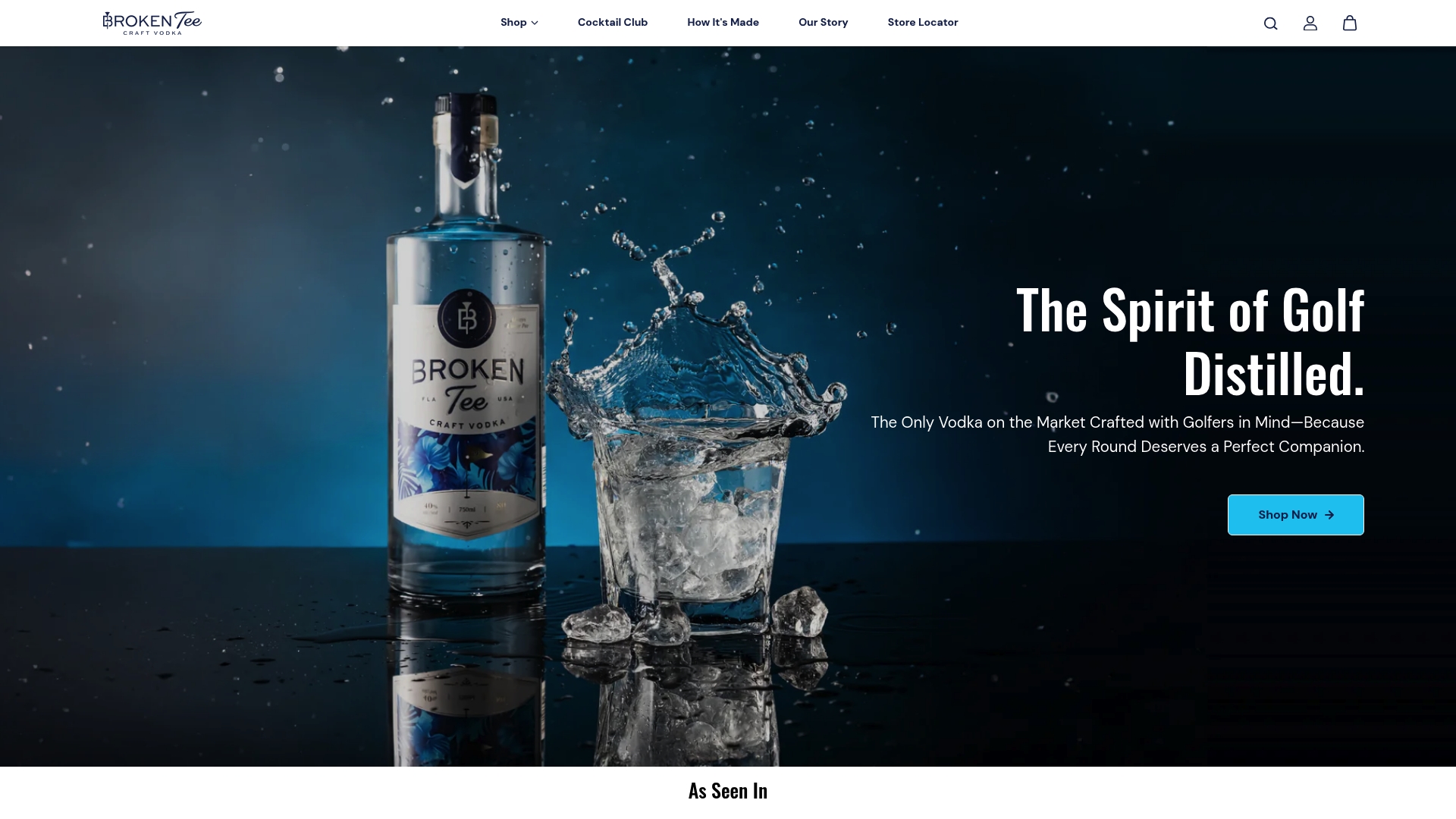
For clubs and event planners building out a signature cocktail list, Broken Tee Vodka gives you a spirit with a built-in story instead of a generic base pour. Check out the cocktail resources for batching guidance and recipe ideas that fit straight into a 19th hole drink menu, or head to the Broken Tee Vodka shop to place a direct order or ask about wholesale and event pricing for your club.
Sources
- Sim Bar & Restaurant Guide: F&B Program for Golf Venues | HGH
- Attracting non-golfers to your golf course restaurant | Club & Resort Business


