

The Best Vodka Food Pairings for Any Gathering
The best vodka food pairings include seafood and caviar, smoked fish, salted and pickled snacks, cheese and charcuterie, and rich grilled meats. These categories work because vodka’s clean, neutral profile acts as a palate cleanser, cutting through fat and salt while letting each bite taste brighter. For golf gatherings, Broken Tee Vodka is the go-to spirit, built for exactly the kind of easy, celebratory spread you want at the 19th hole.
Top pairings at a glance:
- Caviar and blini — creamy, briny, and perfectly refreshed by a chilled pour
- Smoked salmon or herring — salt and smoke amplify vodka’s clean finish
- Pickles and fermented vegetables — acidity resets the palate between sips
- Aged cheese and cured meats — fat and salt balance the spirit’s intensity
- Grilled steak or skewers — rich protein slows absorption and deepens flavor
Key Takeaways
The most reliable vodka food pairings share one trait: they use salt, fat, or acidity to balance the spirit’s clean heat and keep every sip tasting fresh.
| Point | Details |
|---|---|
| Salt, fat, and acid are the core levers | Foods high in these three qualities consistently complement vodka’s neutral, clean profile. |
| Top five pairing categories | Seafood and caviar, smoked fish, pickled and fermented foods, cheese and charcuterie, and grilled meats. |
| Sip-bite-sip cadence | Following the traditional zakuski rhythm paces consumption and keeps the palate sharp throughout. |
| Chill bottle and glasses | Freezing vodka and glasses before serving smooths the spirit and sharpens its contrast with food. |
| Broken Tee Vodka for golf gatherings | Its sevenfold distillation delivers the smoothness needed for both neat pairings and cocktail spreads at the 19th hole. |
Table of Contents
- Why vodka food pairings work: the salt, fat, and acid logic
- Classic vodka pairings: what to serve and why
- How to pair flavored vodkas
- Pairing food with popular vodka cocktails
- Common vodka pairing mistakes to avoid
- Practical serving tips for the best experience
- A Broken Tee Vodka pairing menu for the 19th hole
- What vegetables and salads go well with vodka?
- How regional cuisines beyond Russia pair with vodka
- Simple rules for building your own vodka pairings
- What to drink alongside vodka (non-alcoholic)
- Broken Tee Vodka is ready for your next round
- Sources
Why vodka food pairings work: the salt, fat, and acid logic
Vodka’s near-neutral flavor is its biggest pairing advantage. Unlike whiskey or gin, it doesn’t compete with food. Instead, it acts as a reset button between bites, cutting through fat and refreshing your palate so the next bite tastes just as good as the first.
The mechanics are straightforward. Alcohol dissolves fat molecules on the tongue, which is why a sip of chilled vodka after a creamy bite feels so satisfying. Salt in food softens the perception of alcohol’s heat. Acidity in pickles or citrus-dressed dishes creates a bright contrast that makes the vodka taste cleaner and smoother.
Temperature matters too. Serving vodka well-chilled reduces perceived burn and sharpens the contrast with room-temperature bites. That interplay of cold spirit and warm or room-temp food is what makes the sip-bite-repeat ritual so satisfying.
Classic vodka pairings: what to serve and why
Seafood and caviar
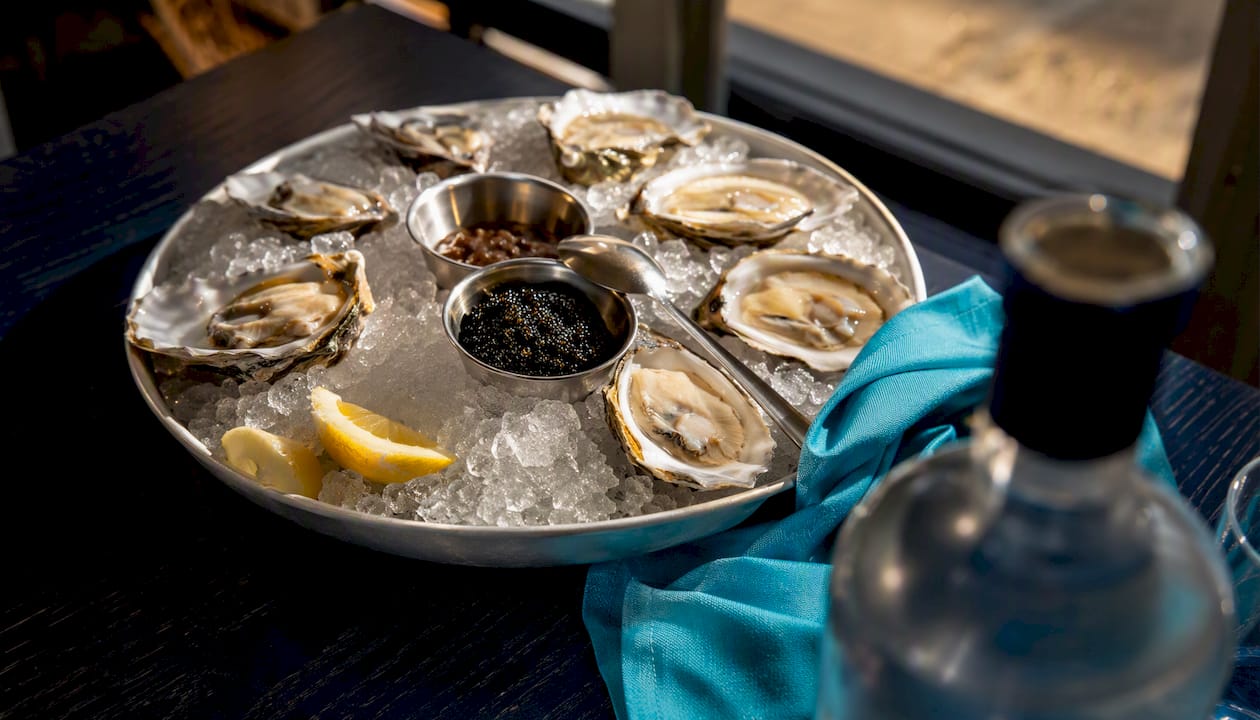
Caviar is the gold standard. The briny, creamy texture coats your palate, and a chilled, dry vodka cuts right through it, resetting the palate so each spoonful tastes as vivid as the first. Oysters on the half shell work the same way. Serve both on ice, keep portions small (one to two bites per sip), and skip lemon on the oysters if you want the vodka’s clean finish to shine.
Smoked fish and cured seafood
Smoked salmon, herring, and gravlax are the workhorses of any vodka spread. The salt and smoke in these fish echo vodka’s clean bite and create a satisfying umami loop. Lay thin slices on dark rye or pumpernickel with a small dollop of crème fraîche. The bread adds starch to slow things down; the crème fraîche adds fat that the vodka cuts beautifully.
Pickled and fermented foods
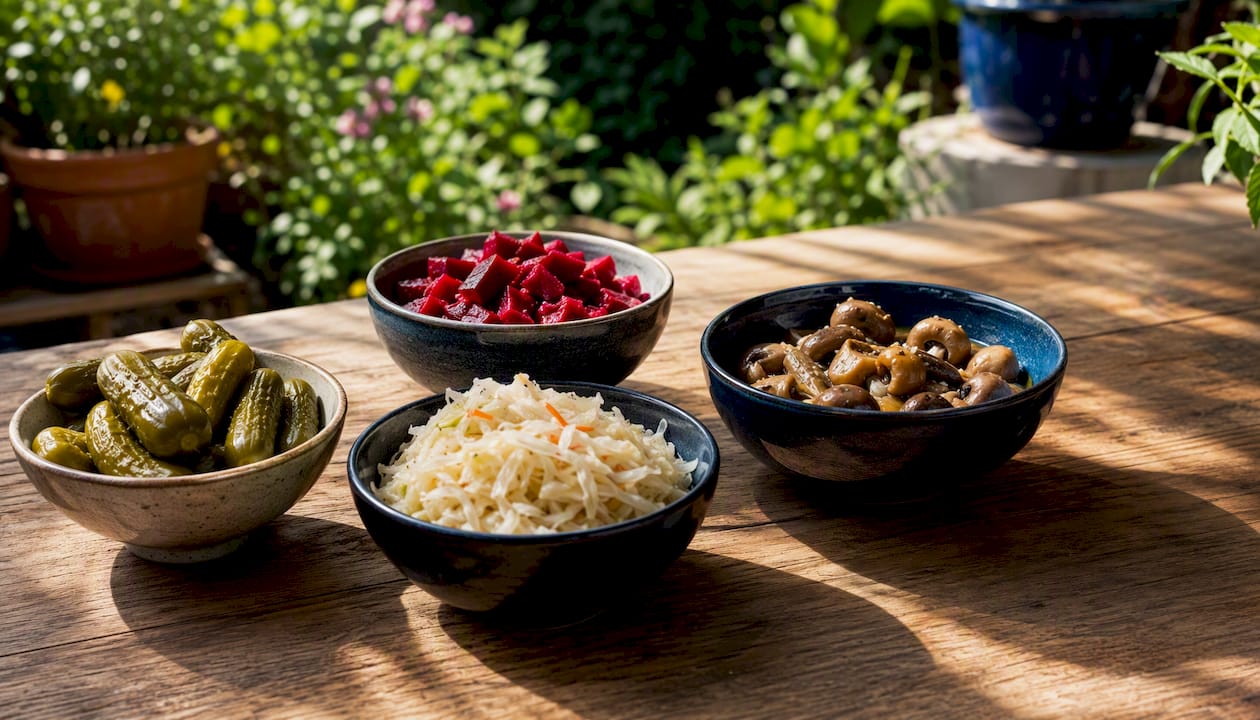
Traditional zakuski spreads pair vodka with pickled cucumbers, sauerkraut, pickled mushrooms, and marinated beets. The acidity and salt in fermented foods reset your palate between shots and moderate the spirit’s intensity. NPR’s reporting on zakuski culture confirms these items are chosen specifically for palate refreshment and digestive balance. Stick to salted or naturally fermented pickles rather than vinegar-heavy versions for the smoothest experience.
Cheese and charcuterie
Aged cheeses like Gruyère, Manchego, or a sharp cheddar pair well because their fat content softens vodka’s edge. Cured meats such as prosciutto, salami, or smoked sausage add salt and protein. Arrange a small board with two or three cheeses, a cured meat, and a handful of plain crackers. Keep flavors bold but not overpowering.
Grilled meats
A well-seasoned grilled steak or chicken skewer is a natural match. The charred, savory crust echoes vodka’s clean heat, and the protein slows alcohol absorption. Russian bartender tradition recommends starting a vodka session with a more substantial bite, like a fatty protein, to pace consumption from the first pour.
A simple zakuski spread (5 items): smoked salmon on rye, pickled cucumbers, a small cheese wedge, sliced salami, and a bowl of olives. Sip, bite, repeat.
Pro Tip: Arrange your tasting plate in a circle and work around it clockwise, alternating between salty, fatty, and acidic bites. This pacing keeps your palate fresh for every pour.
How to pair flavored vodkas
When the vodka itself carries a flavor note, the pairing rule shifts: match the dominant note to a complementary or contrasting food. Chilled Magazine’s pairing guidance summarizes it cleanly: citrus vodkas go with light, fresh dishes; herb vodkas suit creamy or savory bites; berry vodkas shine alongside desserts and soft cheeses.
| Flavored Vodka | Best Food Pairings | Why It Works |
|---|---|---|
| Citrus | Shrimp cocktail, light salads, ceviche | Bright acidity mirrors the citrus note |
| Berry | Soft brie, dark chocolate, fruit tarts | Sweetness and fat balance the fruity profile |
| Herb | Creamy pasta, goat cheese, bruschetta | Herbal notes echo savory, creamy textures |
| Spicy/Pepper | Spicy wings, chorizo, jalapeño poppers | Bold heat creates a satisfying contrast |
| Vanilla/Dessert | Cheesecake, crème brûlée, shortbread | Sweet on sweet with a smooth, warming finish |
Flavored vodkas work best as cocktail bases when the flavor is subtle. Neat pairings shine when the vodka’s note is pronounced enough to anchor the bite. Blueberry vodka cocktails, for example, pair beautifully with a soft cheese board or a simple berry dessert.
Pairing food with popular vodka cocktails
The key here is to match the food to the cocktail’s dominant taste, not just the vodka. Tasting Table’s cocktail snack guidance recommends richer, fattier appetizers to balance tart or tannic mixers.
- Vodka Martini — Pair with briny olives, smoked almonds, or a small cheese plate. The dry, clean profile needs salt and fat.
- Bloody Mary — Serve with bacon, deviled eggs, or a shrimp skewer. The savory, spicy base is a natural brunch drink with a vodka anchor. Celery sticks and pickled garnishes already built into the drink extend the zakuski logic.
- Moscow Mule — Ginger heat pairs well with spicy chicken bites or pork dumplings. The perfect vodka mule needs a bold food partner to match its kick.
- White Russian — Coffee and cream call for dessert: tiramisu, chocolate truffles, or a simple shortbread cookie.
- Vodka Cranberry — The tartness loves fatty counterpoints. Try brie on a cracker, prosciutto-wrapped melon, or a small charcuterie bite.
- Vodka Soda with Citrus — Light and clean, so keep the food light too: cucumber rounds, shrimp cocktail, or a simple green salad.
Keep portions small at a cocktail party. One or two bites per drink keeps the pacing comfortable and the flavors balanced.
Common vodka pairing mistakes to avoid
Avoid overly sweet desserts with neat vodka and harsh vinegar-heavy marinades with high-proof spirits. Both blunt vodka’s clean profile and can make the experience feel rough rather than refreshing.
- Vinegar-heavy marinades — Russian Life’s culinary history cautions that marinated, vinegar-forward pickles can clash with vodka and irritate the stomach. Choose salted or naturally fermented options instead.
- Very sweet desserts with neat vodka — Sugar amplifies alcohol’s heat rather than softening it. Save sweet pairings for flavored or dessert vodkas served in cocktails.
- Aggressive hot spices — A little heat works (see: Moscow Mule), but fiery chili-heavy dishes overwhelm vodka’s neutral profile and make the burn unpleasant.
- Heavy lamb or mutton — The gamey fat in these meats clashes with vodka’s clean finish. Red wine is a better match here.
- Heavy fried sweets mid-session — Fried dough or churros mid-tasting create a greasy, sweet layer that dulls your palate for the next pour.
Practical serving tips for the best experience
The best approach: chill your bottle and glasses, serve small bites between sips, and pace drinks with food from the first pour.
- Chill the bottle — Store vodka in the freezer for at least two hours before serving. Extreme chilling smooths the spirit and sharpens its contrast with room-temperature bites, especially for delicate pairings like caviar.
- Chill the glasses — Place shot glasses or stemless flutes in the freezer for 30 minutes before pouring.
- Serve 1–1.5 oz pours — Small pours let guests sip, eat, and sip again without rushing.
- Follow the sip-bite-sip cadence — Sip first, take a bite, then sip again. This is the traditional zakuski rhythm and it genuinely works.
- Keep water on the table — Still water between rounds hydrates and resets the palate without competing with food flavors.
- Add non-alcoholic accompaniments — Sparkling water, pickled items, and plain bread are the classic buffers. They pace the session and keep everyone comfortable.
- For outdoor or golf events — Transport vodka in an insulated cooler with ice packs. Pre-chill glasses in a separate small cooler. Serve within two hours of chilling for best smoothness.
Always follow local alcohol-service laws and responsible service guidelines at any club or outdoor event.
A Broken Tee Vodka pairing menu for the 19th hole
Broken Tee Vodka is built for exactly this kind of gathering. Its sevenfold distillation and carbon filtration process produces a clean, smooth pour that works equally well neat, on the rocks, or in a cocktail. The smoothness matters here: you want a spirit that complements the food, not one that fights it. For more on why the production method affects the pour, see vodka distillation and filtration.
Here’s a ready-to-use menu for clubhouse or outdoor 19th-hole service:
- Mini sliders — Beef or pulled pork on small brioche buns. Rich, fatty, and easy to pass around. Serve warm.
- Smoked salmon bites — Cucumber rounds topped with cream cheese and a thin slice of smoked salmon. Two bites each, no utensils needed.
- Pickled assortment — Naturally fermented pickles, pickled pepperoncini, and marinated olives. The acidity keeps palates fresh between pours.
- Cheese-stuffed olives — Salty, creamy, and one-bite size. Perfect for a round of vodka party cocktails.
- Charcuterie skewers — Salami, sharp cheddar, and a grape on a toothpick. Easy to hold on the course or at a high-top table.
Pro Tip: Set up the spread before the first pour arrives. Guests who eat from the first sip pace themselves naturally, and the food stays fresh longer when it’s not sitting out while everyone waits for drinks.
For a full golf watch party menu with cocktail pairings, the Broken Tee blog has you covered.
What vegetables and salads go well with vodka?
Crisp, lightly dressed vegetables are a natural fit. Think cucumber slices, radishes, and celery sticks served cold alongside a chilled pour. Their water content and mild bitterness refresh the palate without competing with vodka’s neutral profile.
Salads work best when dressed simply with olive oil and lemon rather than heavy vinaigrettes. A classic Greek salad with olives, feta, and cucumber hits the salt-fat-acid trifecta that makes vodka pairings click. Roasted beets with goat cheese and a light herb dressing are another strong option, especially alongside a citrus or herb-flavored vodka.
How regional cuisines beyond Russia pair with vodka
The zakuski tradition gets the most attention, but vodka is deeply embedded in Nordic and broader Eastern European food cultures too.
In Scandinavia, aquavit often takes center stage, but vodka pairs just as naturally with the same table: gravlax with dill and mustard sauce, pickled herring with rye crispbread, and cold smoked mackerel. The Nordic emphasis on cured, smoked, and pickled proteins mirrors the zakuski logic almost exactly.
Polish cuisine brings bigos (hunter’s stew with sauerkraut and smoked meats) and pierogi stuffed with potato and cheese, both excellent vodka companions. The fat and starch in pierogi slow absorption; the sauerkraut in bigos provides the acidity that resets the palate. In the Baltic states, dark rye bread with butter and a thin slice of cured pork is a classic pairing that needs no embellishment.
Simple rules for building your own vodka pairings
Three principles cover most situations:
1. Lead with salt or fat. Salty and fatty foods soften vodka’s heat and make the spirit taste smoother. When in doubt, reach for something cured, smoked, or aged.
2. Add acidity to reset. A pickled bite, a citrus-dressed salad, or a fermented vegetable between sips keeps your palate sharp and prevents flavor fatigue.
3. Match intensity. Light, delicate vodkas (or well-chilled premium pours) suit delicate foods like caviar and fresh seafood. Bolder, room-temperature pours can handle richer, heartier bites like grilled meats or aged cheeses.
When you’re experimenting with flavored vodkas, apply the same rule you’d use for wine: mirror the dominant note or create a deliberate contrast. Citrus vodka with a citrus-dressed ceviche is a mirror. Citrus vodka with a rich, creamy dip is a contrast. Both work; the choice depends on whether you want harmony or tension on the palate.
What to drink alongside vodka (non-alcoholic)
Still water is the most effective palate cleanser between pours, and it’s the one non-alcoholic accompaniment every vodka spread should include. Sparkling water adds a light effervescence that refreshes without adding flavor.
Plain rye bread or dark pumpernickel serves a dual purpose: it absorbs alcohol and provides a neutral base that doesn’t compete with the vodka or the food. Pickled items double as both a pairing food and a palate reset, which is why they appear on every traditional zakuski table. For brunch settings, a small glass of tomato juice alongside a Bloody Mary spread keeps the savory theme going without adding more alcohol. Healthline’s guidance on post-drinking recovery also points to hydration and electrolyte-rich foods as the most practical support after a long session, so keeping water and light snacks available throughout is a genuinely good idea.
The pairings that actually hold up at the clubhouse
The conventional wisdom on vodka pairings tends to stop at “caviar and pickles,” which is accurate but incomplete. What gets overlooked is how well the salt-fat-acid framework scales to casual settings. You don’t need a fine dining spread to get the pairing right. A bag of quality salted crackers, a wedge of aged cheddar, and a bowl of olives will do the same job as an elaborate zakuski table, because the underlying logic is the same. The ritual matters more than the ingredients. Sip, eat something salty or fatty, sip again. That cadence is what makes vodka a table spirit rather than just a shot.
At a golf gathering, the practical constraint is portability and ease. The pairings that consistently work are the ones guests can grab with one hand while holding a drink with the other. That’s why the Broken Tee Vodka menu above leans on skewers, cucumber rounds, and one-bite olives. The food should make the vodka taste better, not require a fork.
Broken Tee Vodka is ready for your next round
Broken Tee Vodka is the only vodka built specifically for golfers, and its sevenfold distillation process means it’s smooth enough to sip neat alongside caviar or chilled enough to anchor a full cocktail spread at the 19th hole. Every bottle comes with a branded ball marker, and the lineup of branded golf merchandise makes it easy to set up a complete, on-theme gathering.

Whether you’re hosting a watch party, a post-round celebration, or a casual tasting with friends, Broken Tee Vodka gives you a spirit that’s as ready for the occasion as you are. Head to the product page to order your bottle and start planning your spread.
Sources
- Sip, Bite, Repeat: A Guide to Zakuski | The Migrant Kitchen | PBS SoCal
- A Fine Dining Chef Explains The Best Way To Enjoy The Iconic Pairing Of Vodka And Caviar | Tasting Table
- How to Drink Vodka, According to a Russian Bartender | VinePair
- Drink Vodka, Eat Pickles. Repeat. Mastering The Zakuski Spread | NPR
- Culinary Harmony: Mastering the Art of Pairing Food with Vodka | Chilled Magazine
- The Perfect Vodka Appetizer | Russian Life
- Best Foods and Drinks for a Hangover | Healthline


