

Pilot 8 Country Club Drink Trends 2026 for Beverage Teams in 2 Weeks
Eight trends will define country club beverage programs in 2026: mini pours and daycap spritzes, cordials and wine-based cocktails, house infusions and private-label beer, upcycled ingredients, textured and carbonated serves, global flavors, tasting flights, and cart-ready to ready-to-serve formats. Industry roundups like Southern Glazer’s Liquid Insights Tour and real club case studies at Commonwealth National Golf Club back all eight. Pick one and pilot it this quarter.
TL;DR:
- Low- and no-ABV cocktails and mini pours are highly appealing options for members seeking moderation with minimal staff effort.
- Introducing house infusions or private-label beers can generate member interest and brand loyalty through storytelling and member involvement.
- Utilizing simple upcycled ingredients, local sourcing, and clear transparency enhances credibility with members about sustainability efforts.
- Adding carbonation and texture with basic tools like a soda siphon enables innovative drinks without slowing service during busy times.
- Tailoring drinks to regional preferences and membership demographics ensures more successful adoption of global flavors and new formats.
Table of Contents
- Country Club Drink Trends 2026 at a Glance
- Low- and No-ABV Cocktails, Mini Pours, and Daycap Programming
- Cordials, Aperitifs, and Wine-Based Cocktails for the Clubhouse
- Building House Infusions and a Private-Label Beer Program
- Sustainability and Waste-Based Ingredients Members Actually Notice
- Adding Texture and Carbonation Without Slowing Down Service
- Global Flavors That Won’t Alienate Traditional Members
- Tiny Pours and Tasting Flights for Member Events
- A 3-Step Playbook to Pilot a New Drink Trend at Your Club
- What Clubs Are Already Doing Right
- Regional and Demographic Influences on Drink Preferences
- Health and Wellness Trends Shaping the Drink Menu
- Technology’s Growing Role in Club Beverage Service
- What Club Leaders Should Prioritize This Year
- Where Broken Tee Vodka Fits Your 2026 Beverage Program
- Sources
- FAQ
Country Club Drink Trends 2026 at a Glance
You don’t need to overhaul the whole beverage program at once. Here’s the quick read on where each trend sits between member appeal, staff lift, and payoff.
- Mini pours and daycaps: Low ABV, half-size martinis and spritzes. Member appeal is high, difficulty is low. Try it: add a 3-ounce version of your best-selling cocktail to the happy hour menu this week.
- Cordials and wine-based cocktails: Lighter, lower-proof serves with old-world flavor. Appeal is high, difficulty is low. Try it: swap one gin cocktail for an aperitif spritz on the patio menu.
- House infusions: Custom-flavored spirits made in-house. Appeal is high, difficulty is medium. Try it: infuse one vodka with a seasonal fruit for a monthly special.
- Private-label beer: Club-branded lager or ale. Appeal is high, difficulty is high. Try it: start conversations with a regional brewery now for a fall launch.
- Sustainability storytelling: Upcycled garnishes, local sourcing. Appeal is medium, difficulty is low. Try it: swap citrus peel waste into a syrup and name it on the menu.
- Texture and carbonation: Foamed tops, light effervescence. Appeal is high, difficulty is medium. Try it: add a soda siphon to one station for spritzes.
- Global flavors: Yuzu, hojicha, pistachio. Appeal is medium to high, difficulty is medium. Try it: rotate one Asian-influenced cocktail onto the seasonal menu.
- Tiny pours and tasting flights: Sequenced sampler menus for events. Appeal is high, difficulty is medium. Try it: build a 4-pour flight for your next member mixer.
Low- and no-alcohol formats are the clearest low-effort, high-impact move on this list, and cordial-based cocktails run a close second because they need almost no new equipment.
Low- and No-ABV Cocktails, Mini Pours, and Daycap Programming
Consumption data backs a real shift toward moderation. Reuters reporting on recent survey data shows Americans are drinking modestly less overall, and Penn State Extension’s trend roundup flags low- and no-alcohol formats as one of the fastest-growing categories heading into 2026. Members still want the ritual of a cocktail. They just want fewer of the calories and the hangover.
Bring this to your menu with:
- Mini martinis poured at 3 ounces instead of 5, priced slightly below full pours to encourage a second round.
- Daycap spritzes built around aperitifs at 6 to 9 percent ABV, ideal for the 19th hole after a morning round.
- Zero-proof pairings for family dinners, using the same garnish and glassware as your signature cocktails so nobody feels like they got the consolation drink.
Pro Tip: Train staff to suggest the mini pour as an upgrade, not a downgrade. “Want to try our new mini martini flight instead?” sells better than “we also have a smaller size.”
Cordials, Aperitifs, and Wine-Based Cocktails for the Clubhouse
Aperitifs and cordials are having a real moment, and SevenFifty’s trend coverage points to nostalgia and lower ABV as the twin drivers. These drinks taste like something your grandfather might have ordered, only dressed up for a rooftop bar. That combination of familiar and fresh is exactly what plays well with a club membership spanning three generations.
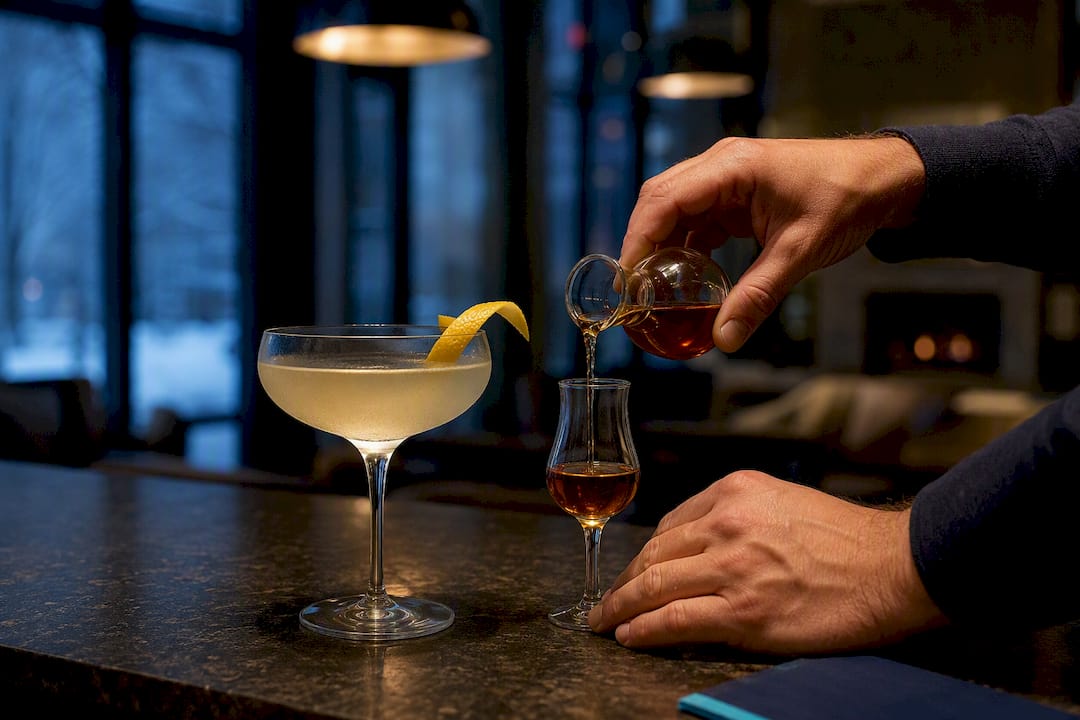
Wine-based spirits carry a practical bonus most managers overlook: in some states, they fall under a different licensing category than distilled spirits, which can simplify service at satellite locations like a halfway house or pool bar.
Club-ready options worth testing:
- A bitter aperitif spritz with soda and orange peel, built to order in under 90 seconds.
- A vermouth-forward “clubhouse Negroni,” cut to 12 percent ABV for daytime service.
- A wine-based amaro cocktail served over crushed ice for hot-weather patio menus.
Building House Infusions and a Private-Label Beer Program
Clubs like White Columns Country Club have found that house-crafted spirits create real member conversation, especially when staff help pick the flavors. The lesson: involve your bartenders in the tasting panel, not just the pour.
- Pick a base and a partner. Choose one house spirit to infuse (often vodka, for its neutral base) or one regional brewery to co-develop a private-label beer.
- Batch small. Cap your first beer run at a seasonal 1,000 to 2,500 cans and price it against your normal clubhouse pour margin before scaling.
- Launch with an event. A tasting night tied to a tournament weekend turns a new product into a story members repeat.
- Stock the cart. Canned, ready-to-serve versions of your signature cocktail solve the on-course service problem and travel well to the pool patio, though they sacrifice some of the fresh-garnish appeal of a bar pour.
Reorder cadence matters more than volume here. A slow, steady sellout beats a warehouse of unsold custom cans.
Sustainability and Waste-Based Ingredients Members Actually Notice
Members respond to specifics, not slogans. Sourcing a local distillery’s spirits, turning citrus peels into cordial syrup instead of the trash, and cutting single-use straws and stirrers are all moves you can point to directly on a menu card.
- Name the source: “Local rye, distilled 40 miles from the clubhouse” reads as more credible than “sustainably sourced.”
- Turn kitchen scraps into garnish syrups and put the technique on the menu, not just the ingredient.
- Swap plastic garnish picks and straws for reusable or compostable versions at high-volume stations first.
The trade-offs are real. Local sourcing often costs more per bottle, and upcycled ingredients require kitchen coordination that some bar programs don’t have. Be honest with members about what you’re doing and why, rather than dressing up minor changes as a major initiative. A private club programming analysis notes that transparency, not marketing polish, is what keeps sustainability claims credible with members.
Adding Texture and Carbonation Without Slowing Down Service
Foam, fizz, and mouthfeel are showing up across nearly every 2026 trend list, and the good news for club operators is that most of it doesn’t require new equipment. A soda siphon adds light effervescence to spritzes in seconds. A quick dry shake with egg white or aquafaba builds a foam cap on a whiskey sour without changing your pour time much.
- Spritzes and highballs benefit most from carbonation, since the bubbles carry the aromatics.
- Mini martinis and stirred cocktails benefit more from a silky texture than fizz, so focus foam techniques there instead.
- Keep a dedicated foam station separate from your speed rail so the extra step doesn’t bottleneck a busy Saturday bar.
Pro Tip: Test any new texture technique during a slow Tuesday shift before rolling it out on a tournament weekend. What takes 10 seconds when the bar’s empty can take a minute under pressure.
Global Flavors That Won’t Alienate Traditional Members
Yuzu, hojicha, and pistachio are the flavors Southern Glazer’s Liquid Insights Tour flags as the ones crossing over from craft cocktail bars into mainstream menus for 2026. The trick for a club setting is introducing them as an accent, not a replacement.
- Yuzu works as a citrus substitute in almost any cocktail calling for lemon or lime, with a rounder, less sharp finish.
- Hojicha, a roasted green tea, pairs well with cream-based or dessert cocktails and rotates in easily as a seasonal special.
- Pistachio orgeat can replace almond orgeat in a tiki-style cocktail for a nuttier, more distinctive pour.
Rotate one global-flavor cocktail onto the seasonal menu rather than replacing a house favorite outright, and flag any nut- or allergen-based ingredients clearly on the printed menu. If a specialty ingredient runs short, a simple citrus or almond substitute keeps the drink recognizable while you wait on the next order.
Tiny Pours and Tasting Flights for Member Events
A sequenced flight of small pours turns a member mixer into an experience worth talking about, and it protects your margins better than full-size cocktails poured all night. SevenFifty’s 2026 trend list calls out tasting-menu-style service as one of the fastest-growing formats at bars nationwide, and the same logic applies to a clubhouse.
- Design a 4 to 6 pour flight around a theme, such as “aperitifs of the world” or “the club’s greatest hits,” each pour at 2 ounces.
- Price it as a fixed ticket, not an open bar tab, so members know the cost upfront and your kitchen can plan portions.
- Staff it lean. One bartender can run a 30-person flight event with pre-batched pours staged in advance, freeing the rest of the team for the main bar.
Tie the flight to a tournament after-party or a seasonal member night, and you get both a merchandising moment and a controlled-cost event on the same calendar slot.
A 3-Step Playbook to Pilot a New Drink Trend at Your Club
Start small, measure honestly, and only scale what actually moves the needle.
- Prototype. Pick one service point, whether that’s the halfway house, the pool bar, or the main lounge, and one trend. Run it for 2 to 4 test shifts before touching the full menu.
- Measure. Track sell-through percentage, average check lift, and quick verbal feedback from members and staff. You don’t need a survey tool; a clipboard behind the bar works fine for a two-week test.
- Scale. If the numbers hold, build a short staff training module, lock in reorder economics, and slot the item into your seasonal calendar rather than leaving it as a one-off special.
Industry data point: Club and cocktail trade reports consistently rank low- and no-alcohol formats among the fastest-growing categories going into 2026, which makes it one of the safer first trends to prototype since the demand signal is already strong.
One practical resource for running your first cart-ready pilot is this step-by-step playbook for testing three cart-ready drink formats over a single weekend, built specifically around golf-course service points.
What Clubs Are Already Doing Right
Commonwealth National Golf Club built a signature bourbon and a house beer that turned into real member talking points, not just menu filler. The club’s case study shows how a branded pour becomes part of the club’s identity, something members bring up to guests unprompted.
Other clubs report similar wins with member co-creation:
- One club solicited member taste-test feedback before finalizing a custom beer recipe, which cut launch friction because members felt ownership before the first can even shipped.
- White Columns Country Club involved bar staff directly in flavor development for its house-infused spirits, which built staff pride in the product and gave bartenders a real story to tell guests.
- Launch events tied to tournaments or member nights turned each new pour into a scheduled occasion rather than a quiet menu addition.
The copyable move across all three: get members and staff tasting and voting before the product is locked, then launch it at an event that already has a crowd.
Regional and Demographic Influences on Drink Preferences
A club in Scottsdale and a club outside Boston are not chasing the same drink trends, even in the same calendar year. Warm-weather Southern and Southwestern clubs see stronger year-round demand for spritzes, frozen cocktails, and citrus-forward serves, while Northeast and Midwest clubs lean into richer, spirit-forward cocktails and cordials during colder months, with lighter formats reserved for a shorter summer window.
Membership age spread matters just as much as geography. Clubs with a younger membership base, particularly one skewing toward families and members in their 30s and 40s, tend to see stronger uptake on low-ABV and zero-proof options alongside global-flavor cocktails. Clubs with a longer-tenured, older membership often see steadier demand for classic cocktails and cordials, with more resistance to unfamiliar ingredients like yuzu or hojicha unless they’re introduced gradually and paired with something recognizable.
The practical takeaway: don’t copy another club’s menu wholesale. Look at your own membership’s age curve, regional climate, and event calendar before deciding which of the eight core trends to pilot first. A Sun Belt club with a younger membership might lead with global-flavor spritzes, while a Northeast club with a legacy membership might start with a cordial-based winter cocktail instead.
Health and Wellness Trends Shaping the Drink Menu
Wellness-minded members are no longer a niche request. The moderation trend documented in national drinking survey data shows up at the club level as more members asking about calorie counts, sugar content, and hangover-free options before they order.
Menu responses worth building into your 2026 program:
- List approximate calorie counts next to signature cocktails, the same way many clubs already handle food menus.
- Offer a zero-proof version of at least one house cocktail with matching presentation, so it doesn’t read as an afterthought.
- Feature lower-sugar mixers, like fresh citrus and soda instead of pre-made syrups, as the default rather than an upcharge.
- Train staff to answer basic ABV and calorie questions confidently, since a hesitant answer undercuts member trust faster than the actual number would.
None of this means stripping personality from the bar program. It means giving members who want a lighter option the same care and presentation as members ordering the strongest pour on the menu. A private club programming report points to wellness-driven programming as one of the defining shifts in clubhouse life this year, right alongside multi-generational event planning.
Technology’s Growing Role in Club Beverage Service
Digital ordering has moved from novelty to expectation at most upscale clubs. Members increasingly expect to browse a digital menu poolside or on the course, place an order from a cart or a mobile app, and have a cart-ready drink waiting rather than flagging down staff.
The practical benefits show up fastest at high-traffic service points:
- Digital menus let you update seasonal cocktails and daycap specials in real time without reprinting cardstock every month.
- Mobile ordering apps cut wait times at the halfway house and pool bar, which matters most during tournament weekends when foot traffic spikes.
- Pre-batching tied to order data helps bar staff anticipate demand for a new trend item before it becomes a bottleneck.
None of this replaces a good bartender’s judgment, and clubs with an older membership should keep a staffed order option visible at all times. But for the service points where speed matters most, cart drop-offs and on-course delivery, a simple digital ordering layer pairs naturally with cart-ready cocktail formats and ready-to-serve pours.
What Club Leaders Should Prioritize This Year
If you take one thing from this list, make it member-first selection: test trends your specific membership will actually order, not whatever ranks highest on a national trend report. Second, keep operations pragmatic. A mini pour or a cordial spritz that any bartender can execute in under a minute beats an elaborate signature cocktail nobody can replicate on a busy Saturday. Third, invest in the story. A private-label beer or house infusion only pays off if members know the story behind it and can repeat it to a guest.
Pick one low-effort trend from this list and run it for two weeks before your next board meeting. The data will make the case better than any pitch you could write.
— Chip Mulligan
Where Broken Tee Vodka Fits Your 2026 Beverage Program
This vodka offers a connection to two of the trends covered above: signature club pours and cart-ready cocktail formats, without the R&D lift of building a house infusion from scratch.
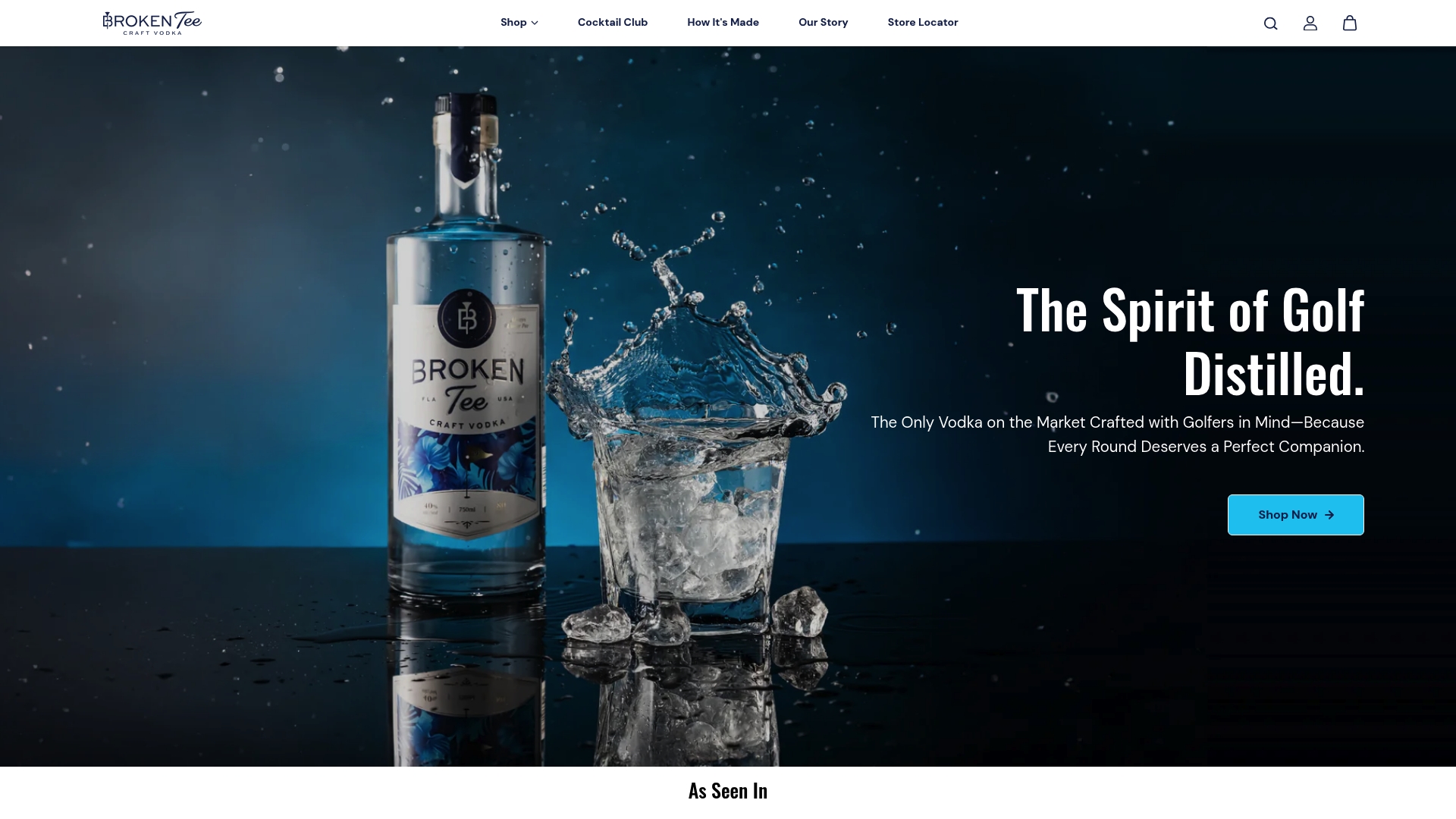
A practical pilot for your halfway house or pool bar: build a low-ABV vodka spritz using Broken Tee Vodka as the base, batch it for cart service, and pair it with a gift-case merchandising push during your next member tournament. The Broken Tee Vodka product page has the full spec sheet for procurement conversations, and the case bundle with free shipping is built for exactly this kind of event-scale order. Pair a case with items from the Broken Tee Merch line for a tournament gift table that ties the bar program directly to the merchandising trend covered earlier in this article. Reach out through the main product site to get pricing for a wholesale order sized to your next club event.
Sources
- Alcoholic Beverage Trends 2026
- 6 Spirits industry and cocktail trends to watch in 2026
- Top 10 drink trends from the 2026 Liquid Insights Tour
- Pouring community: signature bourbon and beer at Commonwealth National Golf Club
FAQ
What Are the Biggest Drink Trends for 2026?
Low- and no-ABV cocktails, cordials and aperitifs, house-crafted infusions, private-label beers, sustainability-focused ingredients, textured and carbonated serves, global flavors, and tasting flights top the list heading into 2026. Trade roundups from Southern Glazer’s Liquid Insights Tour and SevenFifty both point to the same core categories.
What Is Driving the Low- and No-Alcohol Trend?
Survey data shows Americans are drinking modestly less overall, while members still want the ritual and presentation of a cocktail. Mini pours and daycap spritzes answer both demands without cutting the fun out of the bar experience.
What Is the Most Popular Drink on a Golf Course?
Spritzes, mini martinis, and cart-ready canned cocktails are gaining ground on golf courses, especially for daytime rounds where a lighter, lower-ABV pour fits the pace of play. A well-made vodka spritz, built with a smooth base spirit like Broken Tee Vodka, travels well on a cart and pairs easily with warm-weather rounds.
How Much Does Broken Tee Vodka Cost for a Club Order?
Pricing for wholesale and case orders is available directly through the Broken Tee Vodka website, where club buyers can review current product listings and case bundle options.
How Should a Club Decide Which Trend to Try First?
Match the trend to your own membership’s demographics and climate rather than copying another club’s menu outright. Start with one low-effort trend, like a mini pour or cordial spritz, run it at a single service point for two weeks, and measure sell-through before rolling it out club-wide.


