

Golf Event Drink Budget: $15–$55+ Per Guest, Plus Bottle Math
Plan on roughly $15–$25 per person for a budget golf outing, $30–$50 for a mid-range event, and $55 or more for a premium open bar. Those bands are our planning estimates, not published market data. For most golf events, a venue or caterer beverage package gives the best value and the fewest headaches. Buying wholesale spirits wins when you want signature cocktails or branding. Your final number depends on guest count, hours, and inclusions.
TL;DR:
- At five hours, the formula yields 4 drinks per guest: 1 in the first hour, then 0.75 hourly, plus a 10% to 15% buffer.
- Every extra bar hour adds 0.75 drinks per guest, so multiply that figure by attendance; set bar hours before choosing a package or negotiating extras.
- Compare written quotes after adding glassware, ice, bartenders, service fees, tax, and gratuity; a package priced $5 lower can cost more after extras.
- Wholesale spirits cut per drink costs and support signature cocktails, but you must arrange bartenders, check permit rules, and cover ice and glassware.
- Count nonalcoholic drinks separately and budget two water bottles per golfer as a baseline, especially for hot outdoor events where supplies run out quickly.
Table of Contents
- What does a golf event drink budget cost per person?
- How do you calculate drinks and convert servings to bottles?
- Which package type fits your event: venue, clubhouse, caterer, or supplier?
- How do you build a golf event drink budget worksheet?
- Why trust this guide?
- What most golf drink budgets get wrong
- Stock your golf event with Broken Tee Vodka
- FAQ
- Sources
What does a golf event drink budget cost per person?
Every package type lands in a different range, and the sticker price rarely tells the whole story. The ranges below are our planning estimates for budgeting, not quotes. Get written pricing from any venue or caterer before you commit.
- Venue party packages (Topgolf-style): Bay time, food, and drinks are bundled into fixed per-person pricing. Expect the mid-range band, with drink upgrades pushing you higher.
- Clubhouse bar packages: The club runs the bar with per-person pricing or a tab. Budget and mid-range bands are common, and a hosted tab can swing either way depending on how thirsty your group is.
- Caterer beverage packages: A beer-and-wine package sits near the low end. A full open bar tied to a meal lands mid-range to premium.
- Wholesale supplier purchase: You buy bottles and hire your own bartenders. Per-unit spirits cost is lowest here, but labor, ice, and glassware are yours to cover.
Four things move the number more than anything else:
- Hours: A longer bar window means more drinks per guest. The math is in the next section.
- Open bar vs. limited bar: A limited bar with drink tickets caps your spend. An open bar does not.
- Premium vs. standard spirits: Top-shelf pours and fresh-ingredient cocktails add up fast.
- Cocktail offerings: A single signature drink is far cheaper to run than a full menu.
Plenty of costs sit outside the base per-person price. Ask about glassware, ice, bartenders, service fees, tax, and gratuity before you compare quotes. A package that looks $5 cheaper can end up costing more once those show up.
Pay-as-you-go also changes the picture. At a major PGA Championship venue, beer ran about $15–$16 and specialty cocktails about $17–$18.50, which shows how fast per-person spend climbs when guests buy drink by drink instead of getting an included package.
How do you calculate drinks and convert servings to bottles?
Good drink math keeps you from running dry at the turn or hauling home ten cases. Here is the process we use, built on a standard event-planning drinking formula.
- Start with the drinking rate. The event-planning formula allows 1 drink in the first hour, then 0.75 drinks per hour after that. For a 5-hour event, that averages 4 drinks per guest.
- Multiply by your headcount. Drinks per guest times guests gives your total servings.
- Split by beverage type. A common planner split is roughly 40% wine, 30% beer, 20% spirits, and 10% non-alcoholic. Golf crowds often lean harder on beer and spirits, so shift the percentages to match your group.
- Convert servings to bottles. One 750 ml bottle of wine pours about 5 servings. One 750 ml bottle of spirits makes about 16 mixed drinks at a 1.5 oz pour. Beer is one bottle or can per serving.
- Add a buffer. Order 10–15% more than your math says. Bump it up another 15–25% for a heavy-drinking crowd or a hot outdoor day.
Pro Tip: Count non-alcoholic drinks separately. Water and sports drinks run out first on a hot course, and a common baseline is two water bottles per golfer, with a 24-bottle case as the usual unit.
Want to go cocktail-forward? Raise the spirits share and cut beer and wine. Going beer-and-wine only? Our own guide to golf event drink quantities walks through the same math with a sample worksheet.

Which package type fits your event: venue, clubhouse, caterer, or supplier?
The right choice comes down to how much work you want to handle yourself. Here is how the four routes stack up on the dimensions that matter.
- Topgolf party packages: Fixed per-person pricing that bundles bay time, food, and drinks. The venue manages the bar, so there is little for you to organize. Best for social, activity-driven groups that want entertainment and food in one tidy package. Book early, since popular dates fill up.
- Clubhouse or private club bar packages: The club handles service, storage, and staff, usually with per-person pricing or a hosted tab. Best for traditional tournaments where you want course staff and facilities working together. Ask about minimums and what the tab covers before the event, not after.
- Caterer beverage packages: Food and drinks arrive as one coordinated service, from beer-and-wine to a full open bar. Best for plated or buffet dinners where pacing matters. A caterer with a good beverage program keeps drinks flowing between courses without gaps.
- Beverage supplier or wholesale spirits: You buy bottles, hire bartenders, and own the logistics. This can give you a lower per-unit spirits cost and room for signature cocktails, branded bottles, and giveaways. Best for planners who want brand control or sponsor tie-ins. For a sense of how to match event styles to formats, the Mulligan+ Journal’s golf social event ideas are a handy reference.
Staffing and licensing differ by route. Venues and clubs usually carry their own licensing and staff, while caterers often bring both. When you buy wholesale, you typically arrange bartenders yourself and may need a permit depending on your location, so check with your local alcohol authority. Leftovers also work differently: a venue or caterer rarely sends unopened product home with you, while wholesale bottles are yours to keep.
A simple rule of thumb: pick an all-inclusive venue or caterer when you want zero logistics and predictable pricing. Go wholesale and hire bar staff when you want to control the spirits, lower the per-drink cost, or build a branded cocktail moment.
How do you build a golf event drink budget worksheet?
Here is a worked example you can copy. Say you are hosting a golf event with a bar window of several hours. The unit prices below are illustrative assumptions, not market data, so swap in your own quotes.
- Total drinks per guest: Use the event-planning formula to estimate drinks per guest based on the length of the bar window.
- Total servings: Multiply the estimated drinks per guest by your guest count to calculate total servings.
- Split by type: At 40% wine, 30% beer, 20% spirits, and 10% non-alcoholic, that is about 209 wine servings, 157 beer servings, 104 spirit servings, and 52 non-alcoholic servings.
- Convert to bottles: Divide wine servings by about 5 per bottle, spirits servings by about 16 per bottle, and count beer as one bottle or can per serving.
- Apply the buffer: Add 15% for a hot outdoor day. That is roughly 48 wine bottles, 181 beers, and 8 spirit bottles.
- Price it out: Multiply each count by your supplier’s unit price, then add the non-bottle line items below.
Do not forget the costs outside the bottles:
- Bartenders, usually billed hourly
- Glassware rental or disposable cups
- Ice, which is more than you think on a hot day
- Tax and service fees
- Gratuity
- Licensing or permits, if required
Test your assumptions by changing one variable. Extending the bar by an hour adds 0.75 drinks per guest, so multiply that amount by the guest count to estimate the additional drinks. Increasing the spirits share may raise cost per drink because cocktails can cost more to make than beer. Run each scenario before you sign anything.
Why trust this guide?
We built this guide around real event-planning formulas and our own work serving golfers, not guesswork.
- Golf-first brand: Broken Tee Vodka is crafted specifically for golfers, goes through sevenfold distillation and carbon filtration, and comes with a branded ball marker in every bottle.
- Practical internal resources: Our guides on batchable drinks for golf fundraisers and signature drinks for golf tournaments pair with the math here.
- Lead times worth knowing: For branded water bottles, allow three to five weeks for printing and filling, with rush possible but competitive in peak months. Custom branded items generally need similar lead time, so order early.
- Formulas plus experience: We combine proven event-planning drink formulas with practical guidance.
What most golf drink budgets get wrong
Here is my take: most planners obsess over the per-person price and ignore the one number that actually blows the budget, which is how many hours the bar stays open. A cheap package with a six-hour window costs more than a pricier package with a tight four. The math in this guide proves it. Every extra hour adds 0.75 drinks per guest, so the increase depends on the size of your group.

I also think the conventional advice to “just go all-inclusive” falls short. All-inclusive is the right call for convenience, but it hides what you are paying for. If you want a signature drink, branded bottles, or sponsor tie-ins, buying spirits yourself gives you control no package can match.
Prioritize in this order: set your bar hours first, pick a package type second, and negotiate the extras last. And always, always add the buffer. Running out of drinks on a hot afternoon is far more expensive than a few extra bottles.
— Chip Mulligan
Stock your golf event with Broken Tee Vodka
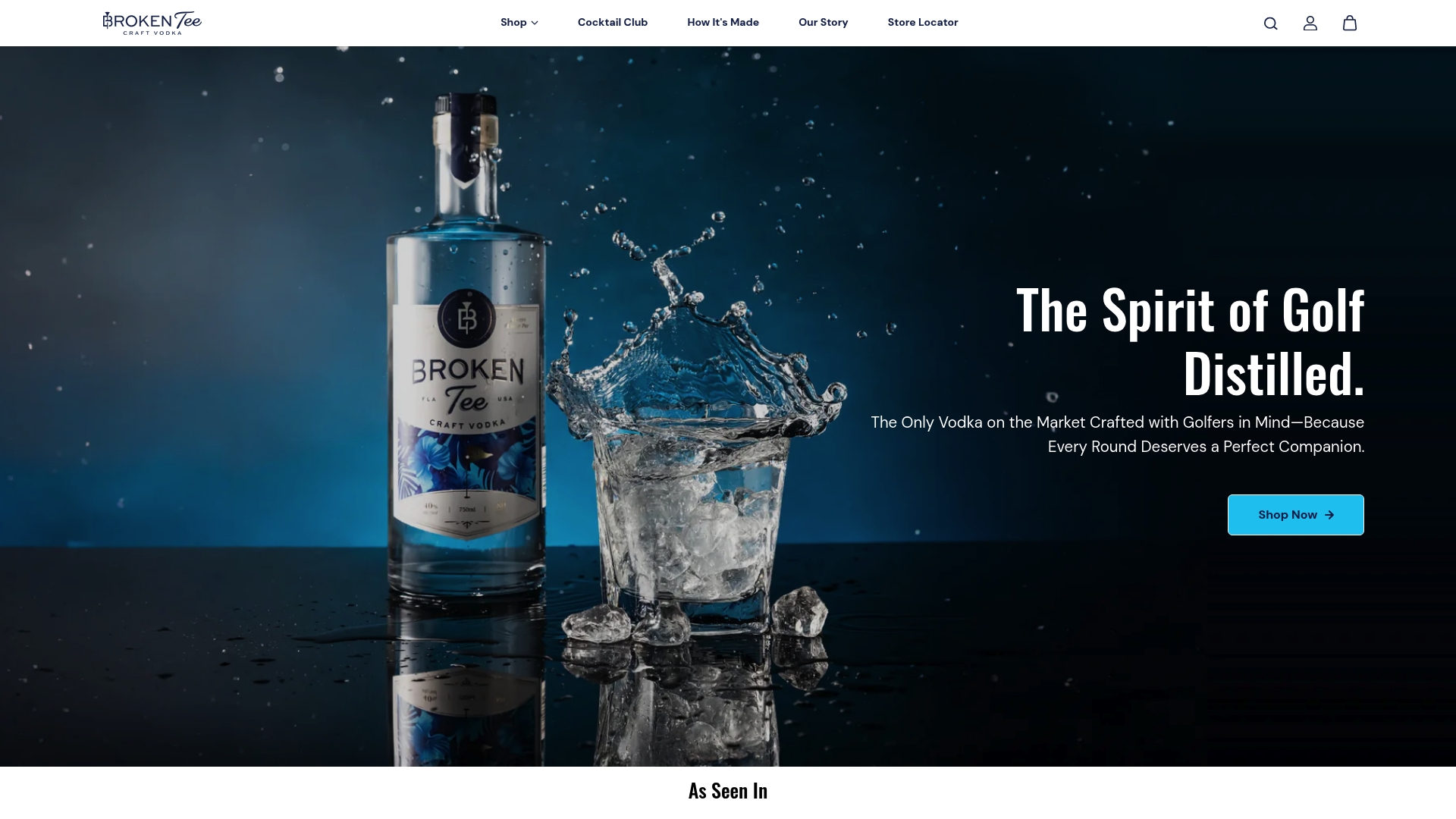
If you are going the wholesale route, we built our vodka for exactly this crowd. Broken Tee Vodka is crafted for golfers, goes through sevenfold distillation and carbon filtration for smoothness, and every bottle includes a golf ball marker your guests can take home.
- Grab bottles for your event on our Broken Tee Vodka product page.
- Browse Broken Tee Spirits to see everything we pour.
- Add giveaways from our Broken Tee Merch collection to round out the day.
- New customer? Check our 10% off offer before you check out.
Ready to plan your pour? Brokenteevodka and get your event stocked.
FAQ
How much is a party package at Topgolf?
Pricing varies by location, group size, and date, so there is no single number. Venue packages bundle bay time, food, and drinks into fixed per-person rates, so ask the venue for a written quote for your date.
How can you get a discount on a golf party package?
Booking off-peak days and times usually lowers the per-person rate. Ask about weekday pricing, group minimums, and whether the venue offers promotions for larger parties.
How do you golf on a budget?
Cut costs where it counts: shorten the bar window, trim your cocktail menu to one signature drink, and skip the open bar in favor of drink tickets. Buying spirits wholesale also lowers the per-drink cost.
How many drinks should you plan per guest?
Plan 1 drink in the first hour and 0.75 drinks per hour after that. A 5-hour event averages 4 drinks per guest, plus a 10–15% buffer.
Sources
- Water Bottles for a Golf Tournament: How Many?
- Theperfectwedding
- 2026 PGA Championship beer prices, beer and wine selections, cocktails


