

Open Bar vs. Cash Bar for Weddings: Save $2,500 With a Hybrid
An open bar suits hosts who want to treat guests without a second thought, a cash bar suits hosts protecting a tight budget, and most couples land somewhere in between with a hybrid setup. The right pick depends on your guest list, your venue’s rules, and how much control you want over the final bill.
TL;DR:
- Open bars cost $35 to $70 per guest at receptions lasting five hours; limited or hybrid service costs $18 to $35 before fees.
- About 40% of US guests see an unannounced cash bar as a hosting misstep, so state the policy on invitations and your wedding website.
- Formal weddings with older guests can offer a hosted cocktail hour, then beer and wine; casual or younger crowds may prefer drink tickets.
- Cash bars can still leave hosts paying bartender labor and setup; venues may require licensed bartenders and liability insurance regardless of bar format.
Table of Contents
- Open Bar, Hosted Bar, Limited Bar, and Cash Bar: What They Actually Mean
- What These Bars Actually Cost Per Guest
- How Guests Actually Experience Each Bar Type
- Hybrid and Limited Bars That Protect Your Budget
- Setting Up Your Bar Without Surprises
- Hospitality and Budget Don’t Have to Compete
- Make Your Signature Drink the One Guests Remember
- FAQ
- Sources
Open Bar, Hosted Bar, Limited Bar, and Cash Bar: What They Actually Mean
Before you can compare costs, it helps to know exactly what you’re pricing out. These four setups cover almost every reception you’ll see.
- Open bar: You pay upfront, either by the hour, by package, or by total consumption, and guests drink for free.
- Hosted or consumption bar: You pay only for what guests actually drink, tallied at the end of the night rather than a flat hourly rate.
- Limited bar: You cover beer, wine, and maybe one signature cocktail, while guests pay for anything outside that list.
- Cash bar: Guests pay for every drink themselves, though you often still cover bartender fees and setup.
Venues typically process cash bars with a point-of-sale system or a simple cash box, and some require a licensed bartender regardless of which model you choose.
What These Bars Actually Cost Per Guest
Money is where most couples start comparing, so let’s get specific. For a typical five-hour reception, a full open bar runs roughly $35 to $70 per guest, while a limited or hybrid setup typically lands between $18 and $35 per guest. A cash bar shifts drink costs to guests, but you’ll usually still owe bartenders, setup fees, and insurance.
What drives the price up or down:
- Guest count and how many hours the bar stays open.
- Number of bar stations and bartenders working them.
- Liquor tier, from well spirits to premium brands.
- Signature cocktails, which add ingredient and labor cost.
- Your region, since bartender rates and liquor pricing vary by market.
Hidden costs catch people off guard more than the per-guest number does. Bartending labor, liability insurance, service fees, gratuity, and sometimes a corkage fee for outside alcohol all show up on the final invoice, even with a cash bar.
For 100 guests: a full open bar at $50 per guest runs about $5,000. A limited hybrid at $25 per guest runs about $2,500, roughly half the cost, while still giving guests hosted beer, wine, and a signature drink.

How Guests Actually Experience Each Bar Type
An open bar removes friction. Guests order freely, lines move fast, and the mood tends to loosen up earlier in the night. A cash bar introduces what planners call transactional friction: guests fumble for cards or cash, lines back up, and the pace of the party slows down right when energy should be building.
Perception matters too. Roughly 40% of US guests view an unannounced cash bar as a hosting misstep, and that reaction tends to be sharper among older guests or at formal weddings where hosted drinks are the expectation.
- Announce your bar policy on your wedding website and invitation, not just at the venue.
- Cash bars read as more acceptable at casual events, happy hours, or daytime gatherings than at formal evening weddings.
- Clear signage at the bar itself cuts down on confused guests and awkward moments.
Planners consistently point to communication, not the bar type itself, as what separates a cash bar that feels normal from one that feels cheap.
Pro Tip: Put your bar policy in writing on your invitation suite so no guest finds out at the bar.
Hybrid and Limited Bars That Protect Your Budget
Most couples don’t choose a strictly open or strictly cash bar. They blend the two, and planners generally point to this middle ground as the most common. These hybrids work because they preserve the generous feel of a hosted bar during the moments that matter most.
- Open cocktail hour, then limited or cash after dinner: guests get full hosted drinks early, then switch to beer, wine, and a cash option later.
- One hosted signature cocktail, cash bar otherwise: you control cost tightly while still offering something memorable and free.
- Drink tickets: each guest gets two or three tickets, then pays cash for anything beyond that.
A hybrid that runs $18 to $35 per guest can save thousands compared to a full open bar while still giving guests a genuinely hosted experience. Formal weddings with older guest lists tend to favor the open-hour-then-limited approach, while casual or younger crowds often do fine with drink tickets alone.
Setting Up Your Bar Without Surprises
Once you’ve picked a direction, a short checklist keeps the logistics from catching you off guard later.
- Ask vendors about bartender minimums, the bartender-to-guest ratio, and whether setup fees are separate from the per-guest price.
- Confirm whether your venue requires vendor-provided liability insurance, since many do regardless of bar type.
- Add your bar policy wording to the venue contract, your invitations, and your wedding website.
- For cash bars, request card readers or pre-purchased drink tickets to speed up lines and reduce cash handling.
- Decide how you’re handling gratuity in advance, either built into the package or left to guest discretion.
- Lock in your bar plan at the same time you finalize catering, since headcount and hours affect both contracts.
Pro Tip: Batching cocktails ahead of time cuts bartender labor and keeps lines moving, even at a fully hosted bar. Our batched vodka cocktail guide walks through pitcher recipes that scale well for a crowd, and if you’re still estimating quantities, our drink quantity breakdown helps you plan pours per guest. If you’re managing ticketed logistics around your event, ExperienceByLocals covers tools worth comparing.
Hospitality and Budget Don’t Have to Compete
We think the best bar decisions start with the guest experience you want, then work backward to the number that fits. A full open bar says generosity. A well-run hybrid, anchored by one great signature drink, can say the exact same thing for a fraction of the cost. The spirit you pour matters more than the format you choose.
— Chip Mulligan
Make Your Signature Drink the One Guests Remember
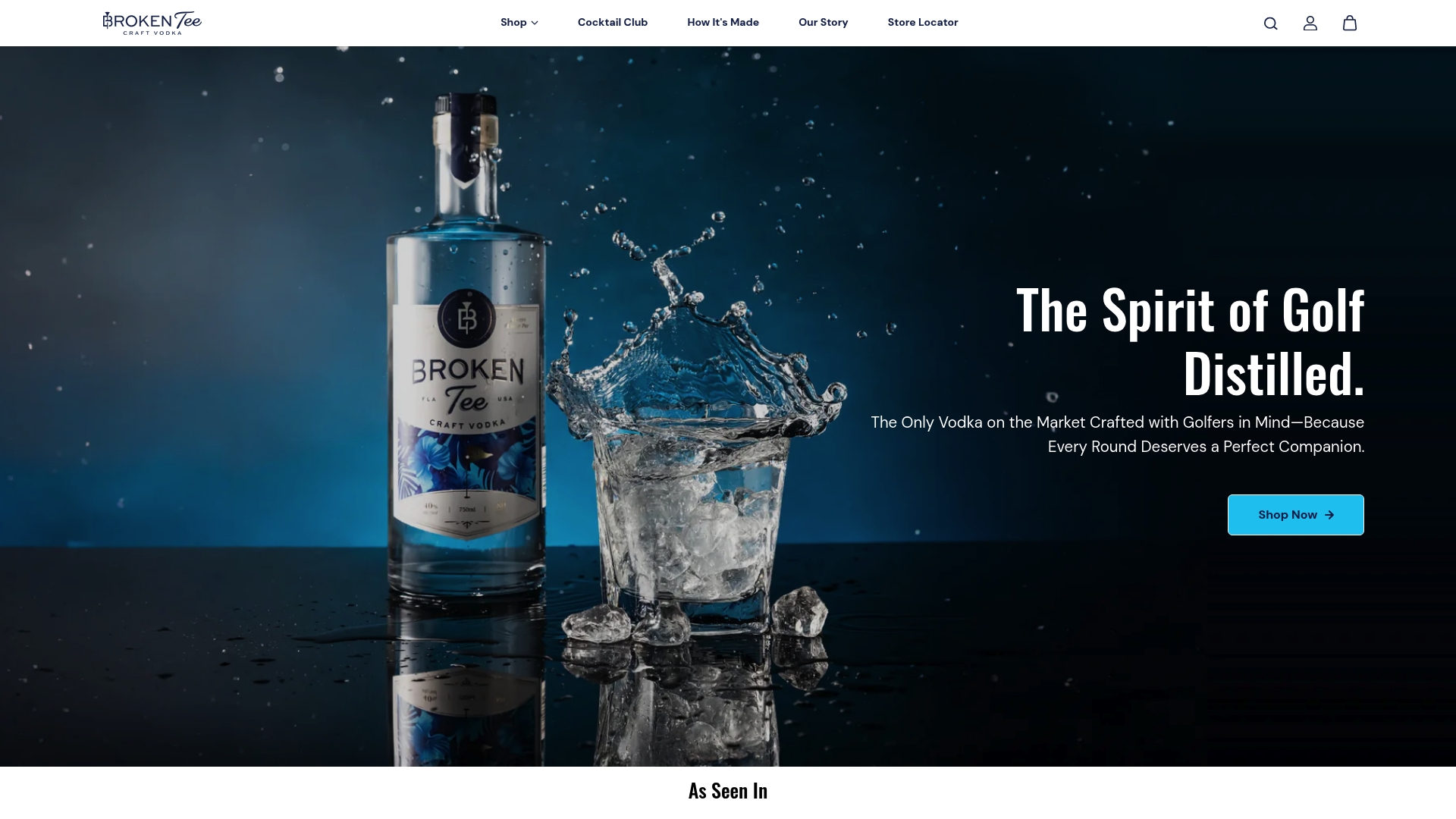
You don’t need a fully open bar to give guests something worth talking about. Hosting one or two signature cocktails built around a smooth, well-made vodka lets you spend intentionally instead of pouring premium spirits all night. We crafted Broken Tee Vodka through a sevenfold distillation and carbon filtration process specifically to hold up in a standout cocktail, and every bottle comes with a branded golf ball marker guests tend to pocket as a keepsake.
- Build your hosted hour around a single signature cocktail instead of a full open bar.
- Send guests home with something from our merch collection as a favor that fits the golf theme.
- Browse Broken Tee Vodka directly or check out hostess gift ideas from Star’s and Cents if you’re shopping for the host instead.
Ready to build your bar around a drink people actually remember? Shop the bottle and start planning your signature pour today.
FAQ
What are the three types of bars?
Most planners group bars into open, limited, and cash, though many events really use four categories once you count hosted or consumption bars separately. An open bar is fully hosted, a limited bar covers select drinks, a cash bar has guests paying, and a consumption bar bills the host for exactly what’s consumed.
What does an open bar mean?
An open bar means the host prepays for drinks, either by the hour, by package, or based on total consumption, so guests never pay at the bar. Pricing for a typical five-hour reception generally falls between $35 and $70 per guest depending on liquor tier and bartender staffing.
Is a cash bar tacky or acceptable?
A cash bar isn’t inherently tacky, but it can feel that way if guests aren’t told in advance. Clear communication on invitations and your wedding website, plus touches like drink tickets or one hosted signature cocktail, keeps a cash bar feeling intentional rather than cheap.
Who pays for an open bar?
The host, typically the couple or their families, pays for an open bar upfront through the venue or caterer, whether that’s a flat hourly rate, a per-person package, or a running consumption tab. Even with a cash bar, hosts commonly still cover bartender labor and setup fees, so there’s rarely a scenario with zero host cost.


