

Neutral Spirit vs. Vodka: 95% ABV Is Only the Start
Neutral spirit is the high-purity ethanol base, distilled to roughly 95% ABV, while vodka is that same base after finishing steps like redistillation, filtration, dilution and a short list of permitted additives. The chemistry behind both starts out nearly identical. What changes a raw, functional alcohol into a bottle you’d actually want to sip is everything that happens after the still.
TL;DR:
- U.S. rules set neutral spirits at 95% ABV; vodka may contain up to 2 grams of sugar and 1 gram of citric acid per liter.
- U.S. rules require distillers to use at least 1 ounce of activated carbon per 100 wine gallons to claim charcoal filtration.
- Base ingredients can affect vodka’s palate: grain tends to taste clean and sharp, potato fuller and oilier, while grape often feels softer.
- A high distillation count alone does not guarantee smooth vodka; compare filtration method and contact time as well as distillation.
- Home distillers should prioritize fermentation control, then cut discipline and finishing, while following local distillation laws and safety requirements at every stage.
Table of Contents
- 1. What neutral spirits actually are
- 2. The regulatory lines that separate the two
- 3. How production methods create two different products
- 4. Why the base ingredient still shows up in the glass
- 5. When to reach for neutral spirit versus vodka
- 6. How finishing choices shape the final pour
- 7. What hobbyists get wrong about neutral spirit and vodka
- Broken Tee Vodka: finishing built for the course
- FAQ
- Sources
1. What neutral spirits actually are
Neutral spirits, sometimes called rectified alcohol or grain neutral spirit (GNS), are distilled to at least 95% ABV, or 190 proof. That level of purity strips away almost everything except ethanol and water, which is exactly the point. Producers aren’t chasing flavor here, they’re chasing a blank canvas.
Feedstock choice still matters even at this purity level, and distillers pull from a handful of common sources:
- Grain (corn, wheat, rye) remains the most common base for neutral spirit production.
- Grape and sugar beet or molasses serve as alternatives in regions where grain is costly or less available.
- Potato shows up less often industrially but carries a distinct reputation among enthusiasts.
Beyond bottled spirits, neutral alcohol does real work in manufacturing. It shows up as a solvent, a carrier for flavor extraction, and the raw material that gets reworked into gin, flavored liqueurs and, of course, vodka itself.
2. The regulatory lines that separate the two
U.S. rules don’t leave much to interpretation. Under 27 CFR 5.142, neutral spirits are defined by that 95% ABV distillation minimum, and if they’re bottled directly, they typically land at no less than 40% ABV (80 proof). Vodka falls under the same regulatory umbrella but with its own type rules on top.
Vodka may legally contain up to 2 grams per liter of sugar and up to 1 gram per liter of citric acid, additions meant to round out mouthfeel without turning the spirit into something else, according to eCFR standards.
A few practical consequences follow from this:
- Labeling a product “charcoal filtered” requires meeting a defined treatment threshold for activated carbon use.
- Adding sugar or citric acid beyond the allowed limits can bump a product out of the vodka category entirely.
- Hobbyists bottling their own need to understand these thresholds before making any claim on a label.
3. How production methods create two different products
Neutral spirit gets there through continuous column distillation, run hot and fast to climb toward that 95% ABV ceiling. Vodka finishing takes a different path from that same starting point, often involving additional redistillation passes aimed less at raising purity and more at refining texture.
Cut strategy matters just as much as the equipment. Where a distiller chooses to start and stop collecting the heart cut determines how many residual congeners ride along into the final spirit, and those trace compounds are a big part of what separates a harsh pour from a smooth one.
Filtration adds another layer of control. Activated carbon treatment varies by amount, contact time and even carbon type, and TTB Ruling 76-3 sets the labeling bar at a minimum of one ounce of activated carbon per 100 wine gallons for a “charcoal filtered” claim. More contact time generally means a rounder finish, though producers guard their specific protocols closely.

Pro Tip: If you’re distilling at home, log your cut points and filtration contact times separately. You’ll learn more about what’s driving the final taste than tasting alone can teach you.
Here’s the practical structure worth knowing:
- Many large-scale operations produce bulk neutral spirit as a commodity product, sold onward to other brands.
- Vodka brands often buy that neutral spirit and focus their own work on redistillation, filtration and water sourcing, a two-tier model well documented in the industry.
- A smaller group of distillers run the entire process in-house, from fermentation through bottling.
4. Why the base ingredient still shows up in the glass
Yeast strain and fermentation management shape which trace congeners exist before distillation even starts, and some of those compounds survive the rectification process in small amounts.
Enthusiasts often describe the sensory differences this way:
- Grain-based spirits tend to read as clean and slightly sharp.
- Potato-based spirits often carry a fuller, almost oily weight on the palate.
- Grape-based spirits can land somewhere silkier, with a softer edge.
Producers make a real choice here. Some push for maximum neutrality through higher rectification and heavier filtration, erasing base character almost entirely. Others pull back on filtration and manage cuts more selectively, letting a trace of the original ingredient come through. If this kind of comparison interests you, our breakdown of grain versus potato vodka goes deeper into how base choice plays out in the final product.
5. When to reach for neutral spirit versus vodka
Neutral spirit is a workhorse. It’s the ingredient you reach for when function matters more than finish, whether that’s as a base for homemade liqueurs, a carrier for flavor extraction, or bulk input for a larger batch. Vodka, on the other hand, is the finished product built for drinking, whether that’s neat, on the rocks, or as the backbone of a cocktail.
If you’re evaluating a vodka’s quality on your own, try this:
- Nose it first before tasting, noting any sharpness or off-notes that suggest incomplete filtration.
- Taste it neat at room temperature to catch subtle mouthfeel differences between brands.
- Add a few drops of water and taste again, since dilution often reveals texture that pure alcohol masks.
Our tasting steps that prove vodka has taste walk through this process in more detail if you want to build the habit.
6. How finishing choices shape the final pour
The gap between a bulk neutral spirit and a polished vodka comes down to finishing decisions, and we treat those decisions as the whole game. Our own production runs through a sevenfold distillation process paired with carbon filtration, a combination we use specifically to chase smoothness rather than just hit a purity number.
Here’s how that generally plays out in practice:
- Extra distillation passes beyond the baseline give a distiller more chances to isolate the cleanest fraction of the run.
- Targeted carbon filtration, applied with attention to contact time, can soften sharp edges left over from distillation.
- Water sourcing and final dilution ratio round out the mouthfeel before bottling.
Pro Tip: When comparing vodkas, ask about both distillation count and filtration method. A high distillation count without careful filtration can still finish harsh.
For readers who want the technical weeds on this, our posts on distilled versus filtered vodka and water ratio math lay out the specifics.
7. What hobbyists get wrong about neutral spirit and vodka
The biggest misconception we see is that vodka is supposed to taste like nothing. It isn’t. Finishing choices, base material and filtration all leave a mark, and industry analysis backs this up, noting that source material and process shape real sensory differences.
If you’re distilling at home, prioritize fermentation control first, then cut discipline, then finishing. And always follow your local legal and safety requirements around distillation, since the rules exist for good reason.
— Chip Mulligan
Broken Tee Vodka: finishing built for the course
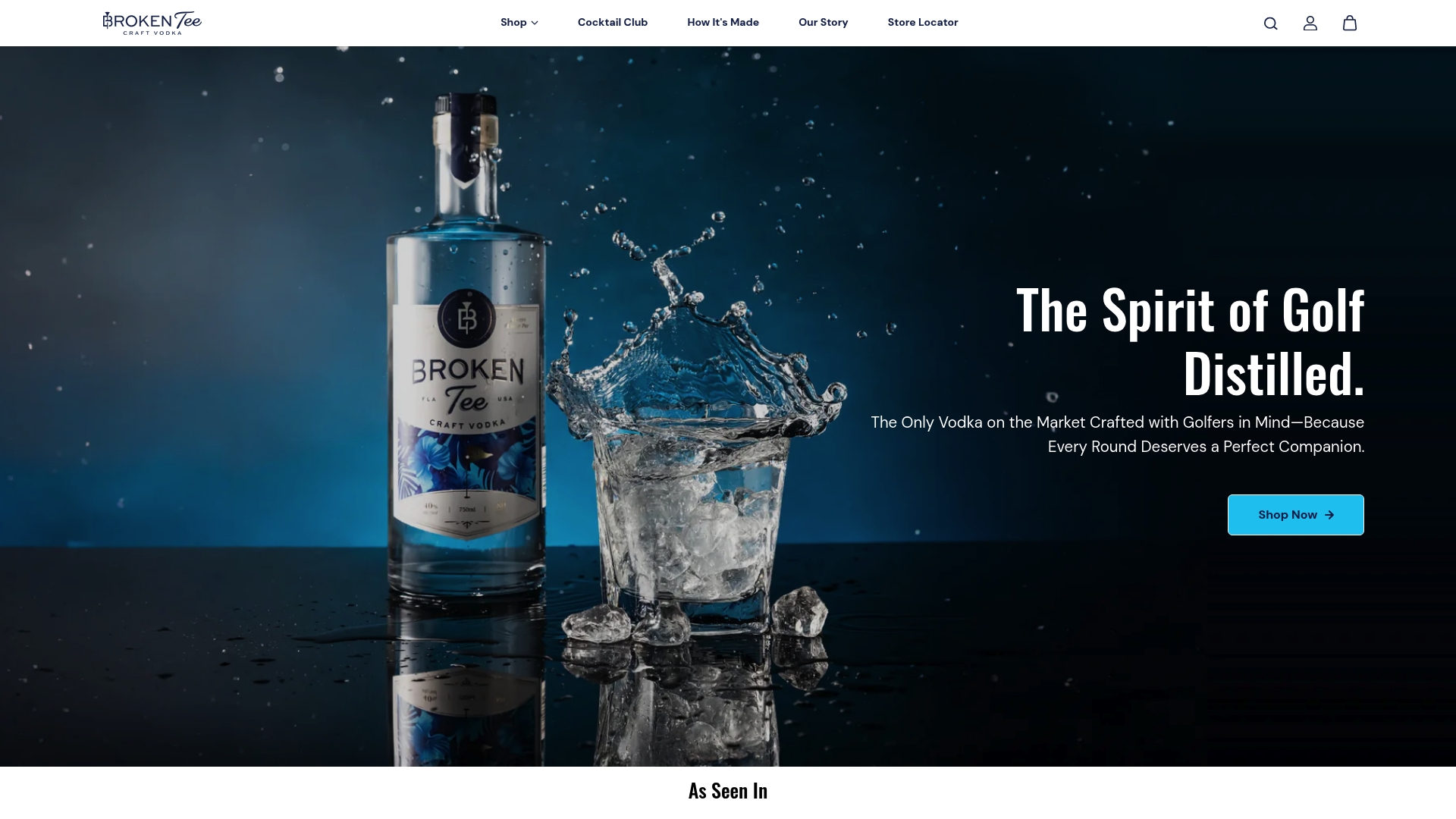
We built our vodka around finishing principles like multiple distillation passes and carbon filtration, using corn as the base, all aimed at a smoother pour you can enjoy neat or in a cocktail after a round.
A few things worth knowing if you’re curious:
- Every bottle ships with a golf ball marker as an included accessory.
- Our Broken Tee Spirits lineup sits alongside Broken Tee Merch for anyone building out a full golf-day kit.
- Our Premier, Reserve and Founding Memberships offer ongoing access to new releases and more technical content like this.
If you want to see what sevenfold distillation and carbon filtration actually taste like, check out our Broken Tee Vodka product page and grab a bottle for your next Sunday Funday on the course.
FAQ
What does grain neutral spirit mean?
Grain neutral spirit (GNS) is ethanol distilled from a grain base, typically corn, wheat or rye, to at least 95% ABV. It’s valued for its near-flavorless purity, which makes it a common building block for vodka, gin and other spirits.
What’s the smoothest vodka to drink straight?
Smoothness comes down to distillation count, cut discipline and filtration rather than any single brand trait. Spirits finished with multiple distillation passes and careful carbon filtration, like our sevenfold distilled Broken Tee Vodka, tend to show fewer harsh notes when tasted neat.
Is vodka the worst alcohol for your liver?
Vodka isn’t singled out as uniquely harmful compared to other distilled spirits; what matters most is total ethanol intake over time. The NIAAA defines one standard drink as 1.5 fluid ounces of 80-proof spirits, containing about 14 grams of pure alcohol, and recommends staying within low-risk limits of one drink per day for women and two for men. Separately, some research suggests regular heavy drinking may affect testosterone levels in men over 30, which is worth factoring into any broader health picture.
What is spirit free vodka?
“Spirit free vodka” generally refers to a non-alcoholic product designed to mimic vodka’s clean profile without any ethanol content. These products use botanical extracts or other flavoring methods rather than fermentation and distillation, so they fall outside the regulatory definition of vodka entirely.
Sources
- eCFR :: 27 CFR 5.142 – Neutral spirits or alcohol.
- Ruling 76-3 — TTB
- What is a standard drink? — NIAAA
- Vodka production: base spirit explained — Difford’s Guide
- Hacking Vodka: Why It Tastes The Way It Does — Forbes


